

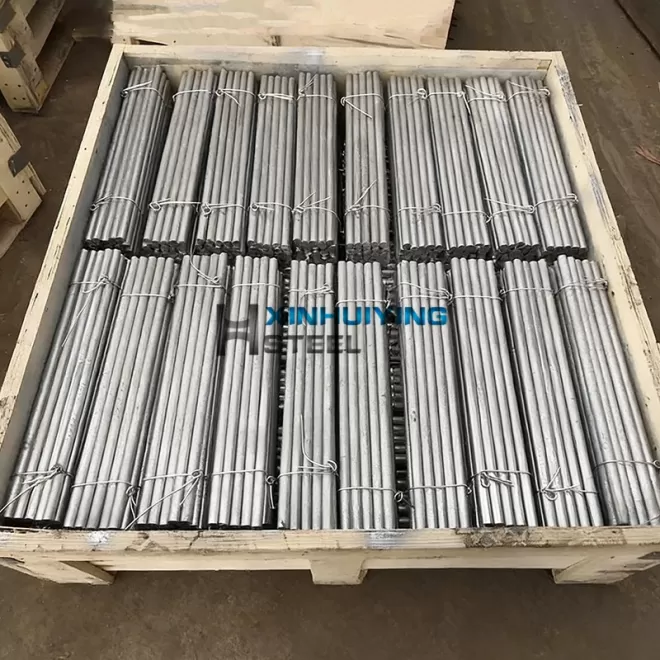
Hunting for galvanised steel round bar worldwide can feel like online dating for metal: too many choices, sketchy profiles, and zero commitment when it’s time to ship.
This guide shows simple sourcing steps, compares suppliers clearly, and backs decisions with data from the World Steel Association.
• 🔍 Key Specifications to Check When Selecting Galvanised Steel Round Bar
Choosing the right galvanised steel round bar starts with clear specs. Focus on strength, coating, and straightness so your project performs safely and lasts longer.
Match bar size, grade, and zinc layer to actual site loads. This helps reduce waste, rework, and long-term corrosion repair on industrial and civil jobs.
1. Diameter, Length, and Tolerance
Check basic geometry first. Consistent size improves fit-up, welding, and load transfer in slabs, frames, and dowel systems.
- Common diameters: 8–50 mm
- Length: usually 6 m or 12 m
- Straightness: check bow and twist limits on the mill certificate
2. Steel Grade and Mechanical Properties
Steel grade controls strength and weldability. Confirm it matches your design and local building codes before ordering large volumes.
| Grade | Yield Strength (MPa) | Typical Use |
|---|---|---|
| Q235 / S235 | ≈ 235 | General building, light structures |
| Q355 / S355 | ≈ 355 | Bridges, heavy duty frames |
3. Zinc Coating Thickness and Process
Coating thickness has a direct effect on service life in harsh climates and marine areas.
- Hot-dip galvanised: strong, durable zinc-iron alloy layers
- Typical coating: 70–100 μm for outdoor structures
- Request test reports for coating mass and uniformity
4. Surface Finish and Compatibility
Clean, even surfaces simplify installation and protect against early rusting on cut ends, welds, and exposed faces.
- Check for runs, bare spots, or heavy dross
- Confirm compatibility with items like Galvanized 16×16 square Steel Dowel bar, Galvanized Steel Angle Lintel, and Hot dipped galvanized weld T bar T beam
• 🌍 Comparing Galvanising Standards Across Major Steel-Producing Regions
When sourcing globally, galvanising standards differ by region. Understanding these gaps helps you align performance, cost, and code compliance before signing a supply contract.
Focus on coating thickness, test methods, and inspection rules. This ensures round bars from different mills perform similarly on mixed-origin projects.
1. Typical Coating Requirements by Region
Most regions set minimum zinc mass for structural work. Higher values usually mean longer corrosion protection, especially in coastal and industrial zones.
| Region | Common Standard | Typical Coating (μm) |
|---|---|---|
| EU | EN ISO 1461 | 70–100 |
| USA | ASTM A123 / A153 | 75–100 |
| China | GB/T 13912 | 60–90 |
| Middle East | Mix of ISO / ASTM | 70–100 |
2. Visual and Dimensional Inspection Rules
Visual checks for runs, bare patches, and high spots vary slightly, but the goal is always a continuous and sound coating.
- Limit for bare areas and local repairs
- Allowable coating thickness range
- Sampling sizes for batch inspection
3. Accelerated Corrosion and Performance Testing
Some buyers ask for extra tests, such as salt spray or cyclic corrosion, for critical or coastal projects.
- Salt spray exposure to compare bars from different mills
- Adhesion tests on cut and bent samples
- Microscopic review of zinc-iron layers
4. Sample Data Comparison (Bar Chart)
The chart below shows sample average coating thickness for four regions. Always check your own contract values and mill reports.
• 🚢 Efficient Global Shipping, Packing, and Handling of Round Bar Loads
Efficient logistics cut damage, delays, and total cost. Plan packing, labeling, and handling early with your supplier and freight partner.
Good logistics practice protects zinc coating, keeps bundles traceable, and speeds on-site unloading and installation with minimal rework.
1. Standard Export Packing Methods
Proper packing protects round bars from impact and moisture during long sea voyages and road transfers.
- Hexagonal or rectangular bundles with steel strapping
- End caps or plastic film to limit rust stains
- Wooden spacers to stop sliding in containers
2. Container Loading and Weight Control
Correct loading prevents bent bars, coating damage, and overweight penalties at ports and on highways.
| Container | Typical Net Load | Key Point |
|---|---|---|
| 20 ft | 24–27 tons | Heavy loads, shorter bars |
| 40 ft | 26–28 tons | Longer bars, balance weight |
3. On-Site Unloading and Storage
Plan safe unloading before trucks arrive to avoid rushed handling and damage to zinc layers.
- Use padded lifting slings instead of bare chains
- Store bundles on timber blocks, off the ground
- Cover with breathable sheets, not sealed plastic
• 🧪 Simple On-Site Tests to Judge Coating Quality and Consistency
Simple field checks help confirm galvanised round bar quality before full installation, saving later repair or replacement costs.
Combine visual inspection with light mechanical and chemical tests when allowed by the project specification and safety rules.
1. Visual Inspection Checklist
Begin with a slow, systematic visual check under good light. This catches most major coating issues quickly.
- Look for bare patches, runs, blisters, and dark stains
- Check cut ends and thread areas carefully
- Confirm a generally even, dull grey finish after aging
2. Thickness Spot Checks
Portable gauges give quick, non-destructive coating readings and are easy to use after short training.
| Tool | Use | Tip |
|---|---|---|
| Magnetic gauge | Measure zinc thickness | Take several readings per bar |
| Coating meter | Log digital values | Compare with standard and mill data |
3. Simple Adhesion and Impact Checks
Where allowed, light impact or bend tests can show if the coating bonds firmly to the steel core.
- Tap gently with a small hammer on sample pieces
- Check if zinc flakes off or stays bonded
- Record results and photos for quality files
• ⭐ Why Qingdao Xinhuiying Steel Is a Reliable Global Sourcing Partner
Qingdao Xinhuiying Steel offers stable quality, clear documentation, and flexible shipping options for galvanised steel round bar projects worldwide.
They focus on coating control, mechanical performance, and on-time delivery, helping EPC contractors and distributors manage risk and total project cost.
1. Proven Galvanising and Process Control
Strict process control and regular testing support consistent zinc coatings and mechanical properties from batch to batch.
- Mill and test certificates with each shipment
- Regular coating thickness and adhesion checks
- Support for third-party inspection when needed
2. Flexible Product Portfolio
Beyond round bar, they supply a wide range of galvanised structural items for complete packages.
- Round bar, dowels, angles, and lintels
- Custom lengths, cutting, and marking
- Bundling and labeling to client standards
3. Export Experience and Service
Strong export experience helps reduce hidden costs and delays at origin and destination ports.
| Service | Benefit |
|---|---|
| Route and vessel planning | Shorter lead times, better cost control |
| Document support | Smooth customs clearance |
| After-sales follow-up | Quick response to site feedback |
Conclusion
Global sourcing of galvanised steel round bar works best when you control specs, coating standards, and logistics from the start. Clear data and testing reduce risk.
By partnering with an experienced exporter and using simple on-site checks, you can secure durable, cost-effective steel that performs well in real-world conditions.
Frequently Asked Questions about galvanised steel round bar
1. What is galvanised steel round bar used for?
It is widely used in concrete dowels, guardrails, frames, supports, and outdoor structures where extra corrosion protection is needed.
2. How long does the zinc coating last?
Service life depends on coating thickness and environment. In mild climates, quality hot-dip coatings can protect steel for several decades.
3. Can I weld galvanised round bar?
Yes, but you must follow safe welding practices, remove or manage zinc near the weld, and apply suitable post-weld protection to exposed areas.
4. What information should be on the purchase order?
Include diameter, length, steel grade, coating standard, minimum thickness, quantity, inspection needs, and packing and shipping requirements.
5. How do I check quality when the shipment arrives?
Inspect labels, certificates, and bundle counts. Then perform visual checks, random thickness tests, and, if needed, simple adhesion checks on sample bars.