

Your fence is wobbling like a shopping cart wheel, and now you’re lost in a maze of galvanized bracket prices, wondering if you really need a civil engineering degree just to keep the dog in the yard.
This guide compares major suppliers side by side, so you can pick strong, rust‑resistant brackets without overspending—backed by data like the CorrView corrosion and galvanizing report.
1. 📊 Key Factors Affecting Galvanized Fence Bracket Costs Across Major Suppliers
Galvanized fence bracket prices vary widely between suppliers due to steel quality, coating weight, design complexity, and order size. Understanding these factors helps buyers control total project costs.
When you compare quotes, look beyond unit price. Check zinc thickness, structural strength, and included services such as cutting, drilling, or custom packing.
1.1 Steel Grade and Raw Material Stability
Higher steel grades and thicker sections increase cost but improve strength and lifespan. Major suppliers adjust pricing as global coil and billet prices move.
- Common grades: Q235, Q355, mild steel
- Impact: stronger steel = higher upfront cost, lower failure risk
- Ask for mill test reports (MTRs) for key projects
1.2 Galvanizing Thickness and Surface Finish
Zinc coating weight is a primary cost driver. Heavy hot-dip layers resist rust longer but add both material and processing cost.
| Coating | Approx. Zinc (g/m²) | Typical Use |
|---|---|---|
| Light | 80–120 | Indoor / short-term |
| Standard | 180–275 | General fencing |
| Heavy | >275 | Coastal / industrial |
1.3 Design Complexity and Processing Steps
Brackets with bends, slots, and welding points cost more than simple flat pieces. Each extra process adds labor, tooling wear, and inspection time.
- Laser cutting vs. punching
- Robot welding vs. manual welding
- Deburring, edge rounding, marking
1.4 Order Quantity, Packaging, and Logistics
Larger batches usually secure better price per piece. However, packaging and freight can offset savings if the design is bulky or heavy.
- Full-container orders achieve lowest landed cost
- Custom cartons or pallets add 1–3% to total
- Compare FOB vs. CIF for overseas sourcing
2. 💰 Price Differences Between Light-Duty and Heavy-Duty Galvanized Fence Brackets
Light-duty brackets use less steel and thinner zinc layers, so unit prices are lower. Heavy-duty options cost more but reduce breakage and long-term replacement needs.
Major suppliers often quote both types. Buyers can balance safety, wind loads, and budget by mixing light and heavy brackets in one project.
2.1 Typical Market Price Range per Piece
Prices vary by region, but the gap between light-duty and heavy-duty brackets remains clear across most major suppliers.
| Type | Approx. Price (USD/pc) | Typical Thickness |
|---|---|---|
| Light-duty | $0.25–$0.45 | 2.0–2.5 mm |
| Medium-duty | $0.45–$0.70 | 2.5–3.0 mm |
| Heavy-duty | $0.70–$1.20 | 3.0–4.0 mm |
2.2 Example Cost Comparison Chart
The sample chart below shows how light-duty, medium-duty, and heavy-duty galvanized fence bracket prices compare across four fictional major suppliers.
2.3 Lifetime Cost vs. Upfront Savings
Light brackets lower first cost but may bend or corrode faster. Heavy brackets cost more, yet often reduce repairs in windy or high-traffic areas.
2.4 Project Examples: Residential vs. Industrial Fencing
Residential fences often use light or medium brackets, while factories, ports, and stadiums favor heavy-duty hardware for higher safety margins.
- Residential: small spans, low impact risk
- Industrial: long runs, vehicle impact risk
- Public sites: strict codes and audits
3. 🛠 How Production Processes Influence Galvanized Fence Bracket Pricing
From cutting to galvanizing, each production step affects bracket cost. Efficient lines lower waste and keep pricing stable across orders.
3.1 Steel Cutting, Punching, and Forming Steps
Laser cutting offers precise holes and edges but costs more than simple punching. For large batches, optimized tooling quickly reduces unit costs.
- Laser: flexible, best for custom runs
- Stamping: fast for high-volume runs
- Forming: extra bends increase labor time
3.2 Welding, Assembly, and Quality Checks
Robot welding improves speed and consistency, while manual welding suits complex or low-volume brackets. Strong welds are vital in high-load fence corners.
| Method | Cost Level | Best For |
|---|---|---|
| Manual welding | Medium | Small batches, custom shapes |
| Robot welding | Lower per unit | Large, repeat orders |
3.3 Hot-Dip Galvanizing Line Efficiency
Modern galvanizing lines control bath temperature, immersion time, and drainage. This reduces zinc waste and keeps coating quality steady between batches.
- Good drainage = less zinc use
- Stable baths = fewer rejects
- Batch planning = faster delivery
4. 🧾 Comparing Long-Term Maintenance Costs of Various Galvanized Fence Brackets
Maintenance costs depend on zinc thickness, environment, and bracket design. Strong coatings and smooth edges reduce rust and repainting over the fence’s life.
When bids look similar, check expected service life and warranty. A slightly higher initial cost may protect the fence for many extra years.
4.1 Coating Thickness vs. Service Life
Thicker hot-dip coatings often double or triple service life in harsh sites. This can delay repainting, bolt replacement, and downtime.
| Environment | Light Coating | Heavy Coating |
|---|---|---|
| Rural | 10–15 years | 20–30 years |
| Coastal | 5–8 years | 15–20 years |
4.2 Failure Modes and Hidden Repair Costs
Bracket failure can mean loose panels, safety risks, and emergency labor. Suppliers who control weld quality cut these hidden long-term costs.
- Cracked welds from poor prep
- Rust creepage from sharp edges
- Misaligned holes causing on-site rework
4.3 Total Cost of Ownership (TCO) Calculations
Compare brackets by adding purchase price, expected maintenance, and likely replacement. Heavier brackets usually win when labor rates are high.
5. 🏗 For reliable supply and stable pricing, choose Qingdao Xinhuiying Steel
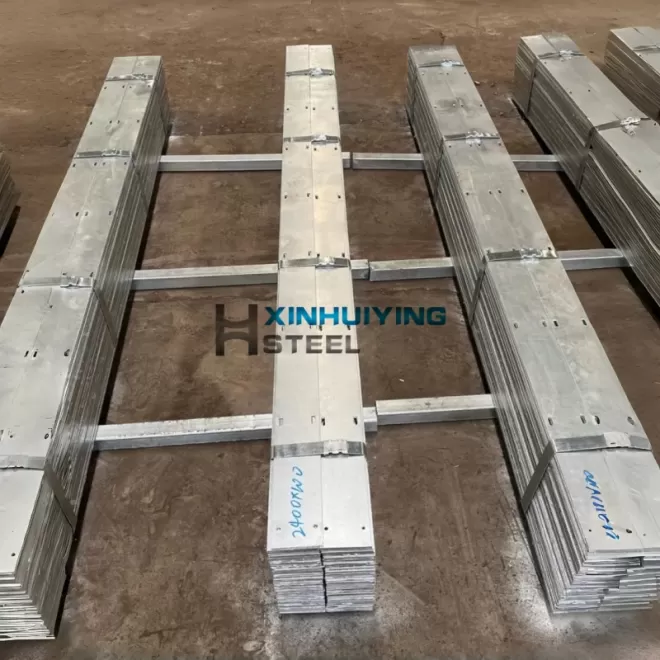
Qingdao Xinhuiying Steel provides galvanized fence brackets and related sections with controlled steel sourcing, consistent hot-dip galvanizing, and flexible order sizes.
The company also offers matched components such as Hot dipped galvanized weld T bar T beam, Hot dipped galvanised steel flat bar, and Galvanized Steel Angle Lintel for complete fencing structures.
5.1 Consistent Quality Control and Traceability
From raw coil to finished bracket, each batch carries heat numbers and inspection records. Buyers can track material origin and coating standards easily.
5.2 Competitive Pricing for Small and Large Orders
Xinhuiying Steel optimizes nesting, batching, and galvanizing schedules to provide stable prices for both container loads and smaller, urgent projects.
5.3 Technical Support for Design and Cost Optimization
The engineering team helps adjust thickness, hole layout, and coating class, keeping your fence safe while trimming unnecessary material and process costs.
Conclusion
Cost comparison of galvanized fence brackets should include steel grade, coating weight, process quality, and logistics, not just unit price. Light-duty and heavy-duty brackets serve very different risk and lifespan needs.
By working with experienced suppliers like Qingdao Xinhuiying Steel, buyers can balance safety, durability, and budget, lowering total ownership cost across the full fence life cycle.
Frequently Asked Questions about galvanized fence bracket
1. What is a galvanized fence bracket?
A galvanized fence bracket is a steel connector with a zinc coating. It joins posts, rails, or panels and protects the joint from rust and impact.
2. Why are some galvanized brackets much cheaper?
Cheaper brackets often use thinner steel, lighter zinc coatings, or less strict quality checks. They may bend or rust faster, raising long-term maintenance costs.
3. How do I choose between light-duty and heavy-duty brackets?
Check wind loads, fence height, traffic, and safety rules. Light-duty suits small residential fences, while heavy-duty fits factories, ports, and public sites.
4. How long do galvanized fence brackets usually last?
In mild inland areas, quality hot-dip brackets can last 20–30 years. In coastal or industrial zones, service life is often 10–20 years, depending on zinc thickness.
5. What information should I send to get an accurate quote?
Share drawings or photos, steel grade, thickness, coating requirement, quantity, delivery port, and any special packing or testing standards you need.