

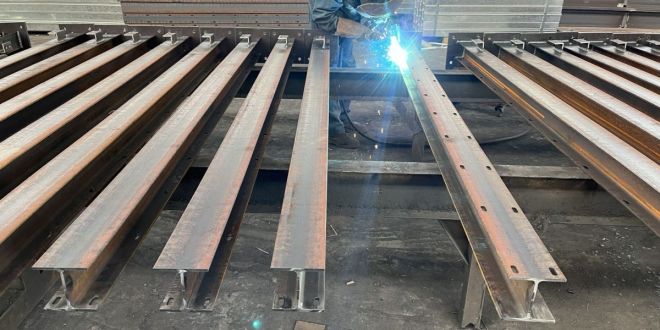
If keeping up with structural steel trends makes you feel like you’re welding in the dark, you’re not alone—yesterday’s “cutting edge” spec now ages faster than your inbox on a Monday morning.
This white paper shines a clear light on 2026 fabrication trends, backed by data and standards from reports like the AISC structural steel research overview (https://www.aisc.org/research/), so you can plan smarter projects with fewer surprises.
1. 🏗️ Global demand shifts and capacity planning in structural steel fabrication 2026
In 2026, structural steel fabricators face fast‑changing global demand, driven by infrastructure renewal, clean energy projects, and resilient industrial buildings across mature and emerging markets.
Strategic capacity planning, flexible product mixes, and smarter inventory control will decide which fabricators win large EPC contracts and long‑term framework agreements.
1.1 Regional demand hotspots and sector focus
Growth clusters form around transport hubs, logistics parks, and energy corridors. Fabricators align offers to high‑margin sectors such as data centers, offshore wind, and utility‑scale solar.
- North America: bridge retrofits, logistics warehouses
- Europe: low‑carbon public projects, rail upgrades
- Asia‑Pacific: industrial parks, port expansions
1.2 Capacity balancing and plant utilization
Producers use demand forecasts to balance cutting, drilling, and welding lines, avoiding bottlenecks while protecting lead times during project peaks.
| Metric | 2024 | 2026 Target |
|---|---|---|
| Average utilization | 68% | 80% |
| On‑time delivery | 87% | 95% |
1.3 Product portfolio: from frames to specialty posts
Demand shifts from commodity beams to engineered solutions such as Construction steel structure systems, modular frames, and pre‑assembled connection nodes.
1.4 Risk management and contract strategy
Fabricators reduce volatility by hedging steel prices, using indexed contracts, and building multi‑year agreements with EPCs and developers.
2. 🧠 Digital design, BIM integration, and automated workshops reshaping steel projects
Digital models, BIM links, and automated lines cut waste, shorten cycles, and improve traceability from design to installation on complex steel projects.
In 2026, connected data flows support real‑time scheduling, clash detection, and accurate fabrication drawings, reducing rework and site delays.
2.1 BIM‑driven collaboration with designers and owners
Fabricators connect directly to 3D models, extracting parts lists and weld maps. This streamlines RFIs and reduces errors in drawings and site marking.
2.2 Automated nesting, cutting, and welding cells
CNC cutting and robotic welding cells use automated nesting to boost material yield and reduce manual handling risks on shop floors.
- Higher material utilization
- Stable quality across shifts
- Better traceability of every part
2.3 Data‑driven scheduling and ECharts bar analysis
Real‑time dashboards show load by line and project. Managers balance shifts and subcontracting using clear visual data.
2.4 Digital quality control and documentation
Inspection data, weld records, and heat numbers link to each component ID, giving owners full lifecycle documentation for future upgrades.
3. ⚙️ High-strength steels and advanced welding technologies improving structural performance
High‑strength grades, precise welding, and better joints allow lighter structures, faster erection, and longer lifespans under seismic, wind, and fatigue loads.
3.1 Adoption of high-strength and weathering steels
Designers specify higher grades to reduce tonnage while keeping safety margins. Weathering steels lower coating needs on exposed elements.
| Steel type | Main benefit |
|---|---|
| High‑strength | Lower weight, smaller sections |
| Weathering | Reduced repainting cycles |
3.2 Advanced welding, robotics, and NDT
Robotic welding, automated seam tracking, and modern NDT methods improve consistency on heavy joints and repetitive connection details.
3.3 Optimized connections and modularization
Standardized bolted connections and shop‑finished modules reduce site welding, lower risk, and support repeatable structural details across projects.
4. 🌱 Low‑carbon production, recycling, and environmental compliance in steel fabrication
Fabricators focus on lower emissions, higher scrap use, and strong environmental reporting to satisfy regulators, investors, and project owners.
4.1 Decarbonized energy and efficient equipment
Workshops switch to renewable power, modern burners, and efficient compressors while tracking energy use per processed tonne.
- LED lighting and smart controls
- Efficient cutting and welding sets
- Heat recovery where feasible
4.2 Recycling, scrap management, and circular design
Producers increase scrap shares in feedstock and design members for reuse and easy dismantling, extending steel’s circular value.
4.3 Environmental standards and client reporting
ISO 14001 systems and EPDs help owners calculate embodied carbon and select greener suppliers for long‑life assets.
5. 🤝 Supply chain resilience and project collaboration with Qingdao Xinhuiying Steel
Qingdao Xinhuiying Steel supports global clients with integrated design support, stable sourcing, and flexible fabrication capacity across multiple product lines.
5.1 Integrated product solutions for modern projects
The company supplies engineered elements such as Square Tube Steel Post with Base Plate and Solar System Galvanized H Post Pile for fast site assembly.
5.2 Resilient sourcing and logistics planning
Diversified mills, flexible shipping routes, and clear logistics tracking help clients maintain project schedules under changing market conditions.
5.3 Early‑stage collaboration and technical support
Engineering teams support early design reviews, value engineering, and connection optimization to cut cost and risk throughout the project lifecycle.
Conclusion
By 2026, leading structural steel fabricators will blend digital tools, high‑strength materials, and low‑carbon practices to meet global project demands.
Those who invest in automation, smart planning, and close client collaboration will deliver safer structures, faster schedules, and stronger long‑term value.
Frequently Asked Questions about fabrication vs installation of structural steel
1. What is the difference between fabrication and installation?
Fabrication is the workshop process of cutting, drilling, welding, and finishing steel members. Installation is the on‑site process of lifting, aligning, and bolting or welding them into place.
2. Why separate fabrication and installation contracts?
Separating contracts lets owners choose specialists for each phase, manage risk better, and optimize pricing for complex shop work versus site erection activities.
3. How does BIM link fabrication and installation?
BIM models generate accurate shop drawings and part lists for fabrication, then support setting‑out, clash checks, and sequencing for safe, efficient installation on site.
4. Who is responsible for dimensional accuracy?
Fabricators ensure member accuracy to drawings, while installers handle setting‑out, tolerances at site joints, and alignment within project specifications.
5. How can delays in fabrication affect installation?
If fabrication slips, site cranes, crews, and follow‑on trades may stand idle. Strong scheduling, progress tracking, and buffer planning help prevent these costly disruptions.