

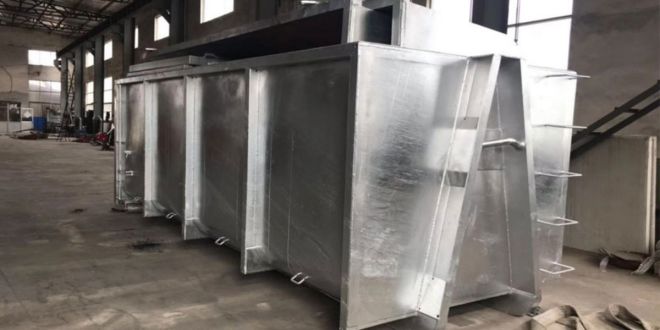
Your poor old bin rattles in the wind, smells like defeat, and leaks mystery liquids across the driveway. Neighbours whisper. Seagulls gossip. Even the recycling looks like it wants to transfer houses.
Choosing a heavy duty galvanised bin fixes this mess fast. Look for thick steel, rust-resistant coating, strong handles, and a tight-fitting lid, as recommended by durability guidelines in this authoritative report.
🛢️ Understanding Heavy Duty Galvanised Bin Materials and Protective Coatings
Choosing a durable heavy duty galvanised bin starts with the steel grade and coating method. Strong base metal and thick zinc layers help resist rust, dents, and daily wear.
Look for proven hot dip galvanising, as used on Hot Dipped Galvanized 100uc weld rebar, for long‑term outdoor performance and low maintenance.
1. Base Steel Quality and Thickness
The base steel must carry heavy loads and resist bending.
- Check plate or wall thickness (mm).
- Choose mild steel or structural steel for high strength.
- Thicker walls mean better impact resistance.
2. Hot Dip Galvanising vs. Painted Finishes
Hot dip galvanising gives full‑surface zinc protection, while paint only covers the outside layer.
| Finish Type | Rust Protection | Typical Life |
|---|---|---|
| Paint only | Low | 3–5 years |
| Hot dip galvanised | High | 10–20+ years |
3. Coating Thickness and Zinc Layer Uniformity
A thicker, even zinc layer slows rust in harsh weather.
- Ask for coating thickness in microns or g/m².
- Check inner corners and welds for full cover.
- Uniform coating means fewer weak spots.
4. Weld and Joint Protection
Welds are common rust points and must be fully sealed.
- Look for smooth, continuous welds.
- Welds should be galvanised after fabrication.
- Compare with products like Hot Dipped Galvanized H Beam 150UB14 that protect cut ends and joints.
🧱 Key Structural Features That Improve Bin Strength and Longevity
Strong structure helps your heavy duty galvanised bin handle rough loading, forklifts, and stacking. Reinforced frames, stiffeners, and safe lifting points prevent early damage and failure.
Review frame design and test data carefully before buying, especially for busy industrial yards or farms.
1. Frame Design and Corner Strength
Corners carry most of the stress when you stack or move bins.
- Choose bins with braced, welded corners.
- Compare to solid supports like Hot Dipped Galvanized 90 Degree Corner Post.
- A strong frame cuts risk of twist and crack.
2. Floor, Base, and Pallet Compatibility
The bin base must support heavy loads and work with forklifts or pallet jacks.
| Feature | Benefit |
|---|---|
| Reinforced floor | Less risk of sagging |
| Pallet‑size base | Easy handling and stacking |
| Drain/clean‑out holes | Faster cleaning |
3. Lids, Hinges, and Locking Hardware
Hardware often fails first, so choose simple, heavy fittings.
- Full‑length hinge pins resist bending.
- Galvanised or stainless latches reduce rust.
- Lock points improve safety and pest control.
4. Tested Load Ratings and Safety Margins
Always confirm safe working loads and test standards.
Pick bins with clear static and dynamic load ratings and safety factors to handle overload events without sudden failure.
🌧️ Weather, Corrosion, and Impact Resistance Requirements for Outdoor Use
Outdoor bins must face rain, sun, wind, and bumps from equipment. Good galvanising, smart drainage, and solid walls keep them working for many years.
1. Corrosion Performance in Different Climates
Match the coating to your climate type.
- Coastal areas need thicker zinc layers.
- Industrial sites may need extra top coats.
- Dry inland zones can use standard galvanising.
2. UV, Temperature, and Weather Cycles
Bins expand and contract in heat and cold.
| Condition | Risk | Design Tip |
|---|---|---|
| High UV | Fading labels | Use metal tags |
| Freeze–thaw | Cracks at joints | Strong welds |
3. Impact and Abrasion from Daily Use
Bins in busy yards see constant hits and scraping.
- Prefer thicker walls and corner guards.
- Smooth edges reduce chip and peel.
- Check for internal ribs to resist denting.
🏭 Matching Bin Capacity and Design to Industrial or Agricultural Applications
Right capacity and layout improve safety and workflow. Oversized bins can overload floors, while undersized bins waste handling time and space.
1. Volume and Weight Planning
Plan by both volume and weight, not volume alone.
- Estimate average and peak load per bin.
- Allow safety margin for wet or dense waste.
- Check floor load limits in old buildings.
2. Handling Method: Forklift, Crane, or Manual
Handling style changes the ideal bin design.
| Method | Design Feature |
|---|---|
| Forklift | Reinforced fork pockets |
| Crane | Certified lift lugs |
| Manual | Wheels and push handles |
3. Waste Type: Scrap, Grain, Liquids, or Mixed Loads
Your waste or product type sets the needed features.
- Scrap metal: abrasion‑resistant walls.
- Grain or feed: smooth, cleanable interior.
- Liquids: sealed seams and drain valves.
🏅 Why Qingdao Xinhuiying Steel Is a Reliable Choice for Durability
Qingdao Xinhuiying Steel focuses on strong steel grades and proven hot dip galvanising, offering products that handle tough industrial and farm conditions with low maintenance needs.
1. Proven Galvanised Product Expertise
Their range of galvanised rebar, beams, and posts shows deep coating experience, which directly supports long‑lasting heavy duty galvanised bin designs.
2. Consistent Quality Control and Standards
Strict control of steel thickness, zinc coating, and welding quality helps ensure each bin matches load ratings and offers stable long‑term performance.
3. Support for Custom Designs and Projects
They can adapt capacity, frame style, and hardware to your site, helping you align bins with existing handling gear and local safety rules.
Conclusion
When you choose a heavy duty galvanised bin, focus on steel quality, coating, and structural design. Match bin capacity and features to your real loads and climate.
By checking ratings, weld quality, and galvanising method, you can reduce rust, damage, and downtime while improving safety and long‑term value.
Frequently Asked Questions about heavy duty galvanised bin
1. How long does a heavy duty galvanised bin usually last?
In normal outdoor use, a well‑made hot dip galvanised bin often lasts 10–20 years or more, depending on climate, handling abuse, and cleaning practices.
2. Are galvanised bins safe for storing food or grain?
Yes, many farms use galvanised steel for dry grain or feed. Always follow local food safety rules and avoid aggressive chemicals that may attack zinc.
3. How do I maintain a heavy duty galvanised bin?
Rinse dirt and salts, clear drain holes, and avoid harsh acid cleaners. Inspect welds, hinges, and latches regularly and fix damage before it spreads.
4. Can I repair damaged galvanising on a bin?
Small chips or cut edges can be repaired with zinc‑rich paint or spray. Deep rust or structural damage may require plate replacement or a new bin.
5. What size heavy duty galvanised bin should I buy?
Estimate the weight of your heaviest load, then choose a bin with a higher rated capacity. Check access, handling method, and stacking height before ordering.