

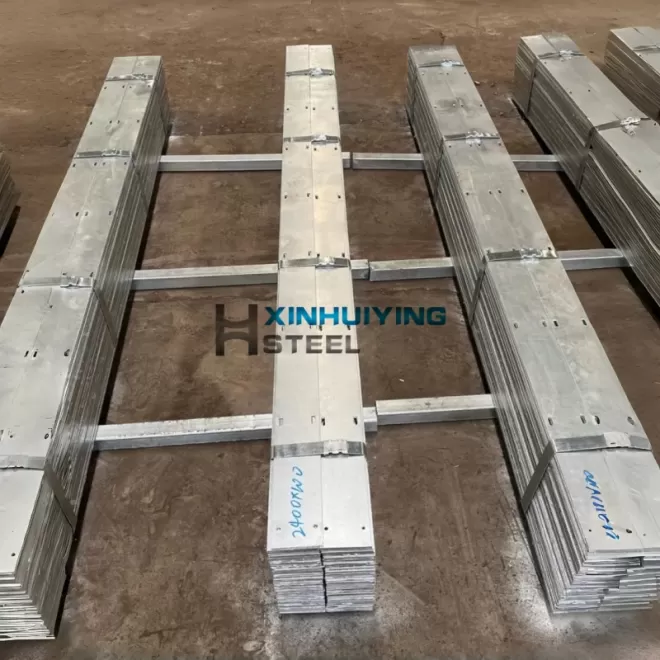
Choosing between galvanized and plain steel flat bar can feel like picking a favorite child—one fights rust, the other fights your budget, and you’re stuck in the middle with a project deadline and a mildly judgmental toolbox.
You can escape the guesswork by comparing corrosion resistance, cost, and lifespan side by side, then matching them to your project environment, using data-backed standards like this ASTM A123 galvanizing specification for confident, rust-proof decisions.
🔹 Corrosion Resistance Differences Between Galvanized and Plain Steel Flat Bars
Galvanized flat bars use a zinc coating to resist rust, while plain steel stays unprotected. This difference strongly affects service life, appearance, and maintenance needs in real projects.
Designers often combine galvanized flat bars with related products such as Galvanized 16×16 square Steel Dowel bar and Galvanized Steel Angle Lintel to build full, durable systems.
1. Surface Protection and Rust Formation
The zinc layer on galvanized flat bars forms a barrier. Plain steel has no coating, so oxygen and moisture attack the surface and start fast rusting.
- Galvanized: barrier + sacrificial zinc
- Plain steel: direct exposure to air and water
- Result: big difference in rust speed
2. Performance in Wet and Coastal Conditions
In rain, splash zones, and near the sea, galvanized flat bars keep their strength much longer. Plain steel needs frequent repainting or will lose section thickness.
| Condition | Galvanized | Plain Steel |
|---|---|---|
| Light rain | Slight zinc wear | Visible rust |
| Coastal | Moderate zinc loss | Heavy rust, pitting |
3. Galvanic Protection and Scratches
Zinc offers sacrificial protection, so small scratches on galvanized flat bars usually do not rust fast. Plain steel scratches rust almost at once.
4. Aesthetic Durability and Coating Options
Galvanized steel keeps a dull silver finish for years and accepts paint systems well. Plain steel needs primers and constant repainting to stay clean.
🔹 Mechanical Properties and Structural Performance Comparison in Various Applications
Both galvanized and plain steel flat bars begin with similar base steel. The key differences relate to coating effects, wear, and performance in real load conditions.
Engineers often pair galvanized flat bars with Australian standard galvanised dowel bars to improve joint transfer and control cracking in pavements and slabs.
1. Base Strength and Yield Properties
Hot-dip galvanizing normally changes strength very little. Yield and tensile values stay close to the original steel grade, so designers can use common design tables.
- Typical yield: 235–355 MPa
- Little loss of ductility in most flat bars
- Safe for bending and simple forming after coating
2. Wear, Fatigue, and Long-Term Performance
Galvanized flat bars keep their section size for longer, so fatigue and wear resistance stay stable. Plain steel can lose thickness and capacity over time.
3. Behavior in Welding, Cutting, and Fabrication
Plain steel is easier to weld with no fumes from zinc. Galvanized flat bars need good ventilation and local grinding before full-strength welds.
| Process | Galvanized | Plain Steel |
|---|---|---|
| Welding | Needs prep and fume control | Straightforward |
| Cutting | Coating burns at edges | Clean edge |
4. Suitability in Structural vs Non-Structural Roles
For primary beams, strength matters most, so both types work. For exposed plates, guards, and handrails, galvanized flat bars perform better over the long term.
🔹 Cost, Lifespan, and Maintenance Requirements of Each Flat Bar Type
Plain steel flat bars have a lower purchase price. However, galvanized flat bars usually win on total cost after years of service and reduced maintenance.
1. Initial Material and Fabrication Cost
Plain steel saves money up front because there is no coating step. Galvanized flat bars add zinc, handling, and inspection costs at the mill or plant.
| Item | Plain Steel | Galvanized |
|---|---|---|
| Material cost | Low | Medium |
| Coating cost | None | Included in price |
2. Service Life and Replacement Intervals
Galvanized flat bars often last three times longer in outdoor use, so owners delay replacement and cut downtime on bridges, fences, and industrial frames.
- Plain steel: 5–15 years typical, with coating
- Galvanized: 20–50 years in many climates
3. Maintenance, Painting, and Inspection Needs
Plain steel needs regular cleaning, repainting, and rust repair. Galvanized flat bars mostly need visual checks and small touch-ups at damaged spots.
🔹 Suitability for Outdoor, Marine, and Industrial Environments
Choice between galvanized and plain steel flat bars depends on exposure: rain, salt, chemicals, and abrasion all change the best option.
1. Outdoor Civil and Building Projects
For guardrails, stairs, and lintels, galvanized flat bars resist rust and lower upkeep. Plain steel works indoors or where owners accept frequent repainting.
2. Marine and Coastal Structures
In ports, piers, and sea walls, plain steel corrodes fast. Galvanized flat bars offer better life, especially when paired with extra paint or seal coats.
- Spray zones: galvanized strongly preferred
- Immersion: may need duplex (galvanized + paint) system
3. Industrial and Chemical Atmospheres
Mild industrial sites suit galvanized flat bars. In strong acids or alkalis, both types may need special coatings or stainless steel upgrades instead.
🔹 Environmental Impact and Recycling Considerations for Galvanized vs Plain Steel
Both galvanized and plain steel flat bars are recyclable. Environmental impact mainly comes from coating production, service life, and future material recovery.
1. Resource Use and Production Footprint
Galvanizing adds zinc and energy use, raising the initial footprint. Yet longer service life means fewer replacements and less total steel over decades.
2. Service Life, Waste Reduction, and Reuse
Because galvanized flat bars last longer, projects generate less scrap, less paint waste, and fewer transport emissions linked to repair cycles.
| Aspect | Plain Steel | Galvanized |
|---|---|---|
| Replacement rate | Higher | Lower |
| Paint waste | Frequent | Limited |
3. End-of-Life Recycling and Zinc Recovery
Steel recyclers can process both types. Furnaces burn off or recover zinc, so galvanized flat bars still fit well into the circular steel economy.
Conclusion
Galvanized and plain steel flat bars share similar base strength but behave very differently in real environments. Galvanized options cost more at purchase yet deliver longer life, less maintenance, and better visual performance outdoors.
Plain steel suits dry, indoor, or temporary work where up-front savings matter most. Matching bar type to climate, exposure, and service life targets gives the best overall value.
Frequently Asked Questions about galvanized steel flat bar
1. Does galvanizing change the strength of a flat bar?
For standard hot-dip galvanizing, changes in yield and tensile strength are usually small. Designers can often use the same structural values as the base steel grade.
2. Can I weld galvanized flat bars safely?
Yes, but you must grind back the coating at weld zones, use good ventilation, and follow safe fume control practices. Re-coat bare areas after welding.
3. How long do galvanized flat bars last outdoors?
Service life depends on climate and pollution. In many rural and suburban areas, galvanized flat bars can last 20–50 years with only minor touch-up work.
4. When is plain steel flat bar still a good choice?
Plain steel works well indoors, in dry spaces, or in short-term projects. It is also useful where you plan to apply custom coatings or claddings.
5. Are galvanized flat bars recyclable?
Yes. Steel mills can recycle galvanized flat bars along with other scrap. Zinc is either recovered or safely handled during the steelmaking process.