

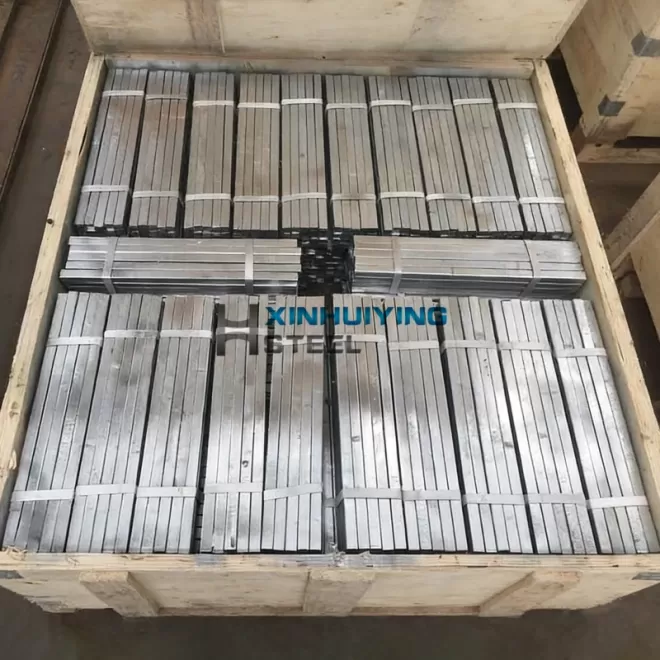
Your brackets rust faster than leftovers in the office fridge, the paint peels like old stickers, and every rainy day turns your fence into a “guess which part fails next” game show.
Pick galvanized brackets for stronger, longer-lasting protection, confirmed by corrosion studies in this NRC durability report, and use paint mainly for style, not core defense.
• 🧱 Corrosion resistance and longevity of galvanized versus painted fence brackets
Galvanized fence brackets use a zinc coating to block rust, while painted brackets rely on surface film. Understanding the difference helps you pick the most durable and cost‑effective option.
In outdoor projects, many builders pair galvanized brackets with robust steels such as Cut to length reinforce bar to extend fence life and reduce replacement frequency.
1. Zinc barrier protection vs surface coating
Hot‑dip galvanizing forms a bonded zinc layer that resists scratches and chips better than most paint films, especially in wet or salty air.
2. Expected service life in different environments
In rural areas, galvanized brackets can last decades with little rust. Painted steel often needs touch‑ups within a few years as coatings weaken.
3. Maintenance frequency and lifecycle cost
Galvanized brackets usually need only cleaning. Painted brackets can require sanding, priming, and repainting, increasing labor and long‑term costs.
4. Synergy with other galvanized components
Using galvanized brackets with items like Hot dipped galvanised steel flat bar or Australian standard galvanised dowel bars creates a uniform, corrosion‑resistant fence system.
• ⚙️ Mechanical strength, impact resistance, and structural reliability in daily use
Both galvanized and painted brackets start with similar base steel, but surface treatment affects real‑world strength, impact resistance, and failure risk under daily loads.
Choosing the right bracket type reduces bending, cracking, and loose posts, especially in high‑traffic or security fence projects.
1. Base steel grade and thickness
Mechanical strength depends first on steel grade and thickness. A thick galvanized bracket usually outperforms a thin, painted one under the same load.
2. Impact resistance and scratch tolerance
Galvanized layers absorb small knocks without exposing bare steel. Paint chips more easily, allowing rust to spread from impact points.
3. Performance under repeated loading
Wind, gate swing, and leaning all stress brackets. Strong welds plus a bonded zinc layer help brackets keep shape and grip over years of use.
4. Data comparison: load rating and failure margin
The chart below shows an example comparison of average load ratings and safety margins for galvanized vs painted fence brackets in typical tests.
• 🌦️ Performance in harsh climates: moisture, UV exposure, and temperature changes
Fence brackets face rain, sun, and wide temperature swings. Their surface treatment strongly affects rust rate, color change, and crack risk in harsh climates.
1. High humidity and coastal conditions
In coastal zones, galvanized brackets resist salt spray better than most painted brackets, which often blister and peel as salt penetrates tiny coating gaps.
2. UV exposure and sun‑driven aging
Sunlight slowly breaks down paint, causing chalking and fading. Zinc on galvanized brackets weathers more evenly with far less visible surface damage.
3. Temperature swings and freeze–thaw cycles
Paint films can turn brittle in cold or soften in heat, then crack over time. Galvanized coatings expand with steel, reducing flaking and micro‑cracks.
• 🎨 Appearance, color retention, and maintenance requirements over the fence’s lifespan
Appearance matters in homes, parks, and public sites. Coating choice influences color options, gloss loss, and how often you must repaint or clean.
1. Initial finish and color choices
Painted brackets offer many colors and gloss levels, ideal for design‑focused projects. Galvanized brackets give a clean, silver‑gray industrial look.
2. Long‑term color stability
Paint can fade or yellow under UV light. Galvanized steel dulls slightly to a matte gray but keeps a consistent, uniform tone over time.
3. Cleaning and touch‑up needs
Galvanized brackets usually need only washing. Painted brackets may require regular touch‑ups on scratches and edges to keep rust spots from growing.
• 🏭 Environmental impact, recyclability, and when to choose Qingdao Xinhuiying Steel
Galvanized brackets often last longer, lowering material use and waste. Responsible suppliers also focus on recycling and efficient, low‑loss production lines.
1. Lifecycle footprint and resource use
Long‑life galvanized brackets reduce replacement cycles and transport emissions. Fewer repairs mean less paint, solvent, and packaging over the fence’s lifespan.
2. Recyclability and end‑of‑life handling
Steel brackets, galvanized or painted, recycle well. Zinc is also recoverable, supporting a circular metal economy and reducing landfill pressure.
3. When to select Qingdao Xinhuiying Steel
Choose Qingdao Xinhuiying Steel when you need reliable coating quality, stable mechanical performance, and consistent batches for medium to large fence projects.
Conclusion
Galvanized fence brackets usually deliver better corrosion resistance, lower upkeep, and longer service life than painted options, especially in wet or coastal areas.
Painted brackets suit color‑critical or budget projects, but for structural reliability and long‑term value, galvanized solutions from proven suppliers are often the smarter choice.
Frequently Asked Questions about galvanized fence bracket
1. Do galvanized fence brackets rust?
Galvanized brackets can eventually rust, but the zinc coating slows corrosion greatly. In many normal environments, they stay rust‑free for several decades.
2. Can I paint over galvanized brackets?
Yes, but you should clean, degrease, and lightly roughen the surface, then use a primer made for galvanized steel before applying finish coats.
3. Are galvanized brackets safe for coastal fences?
They are usually the best choice. For very harsh marine sites, consider thicker hot‑dip coatings and regular rinsing to remove salt deposits.
4. How do I maintain galvanized fence brackets?
Inspect yearly, wash off dirt and salt with water, and check for deep scratches. Touch up exposed steel with zinc‑rich paint if needed.
5. When should I choose painted brackets instead?
Painted brackets work well for indoor use or low‑corrosion outdoor areas where color matching, branding, or architectural style is more important than maximum durability.