
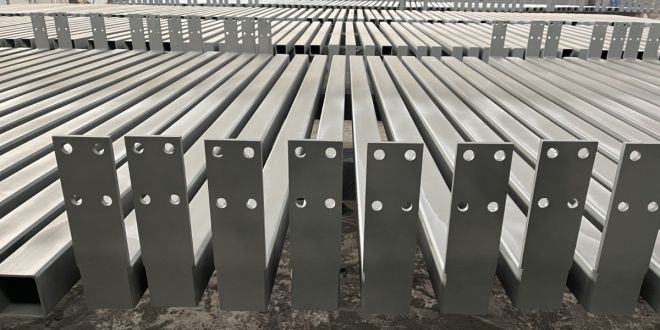
The Basics of Structural Steel
Structural steel is a critical component in modern construction due to its combination of strength, durability, and versatility. This material is primarily composed of iron and carbon, with the iron providing the durability and carbon contributing to the steel's strength. Understanding the fundamental properties of structural steel is essential for its effective application in construction.
Carbon Content in Steel
The carbon content in steel plays a pivotal role in determining its mechanical properties. Steel used in construction typically contains between 0.04% and 0.30% carbon by weight for low-carbon or mild steel. Higher carbon content, ranging from 0.31% to 1.50%, results in medium to high-carbon steels, which are often used in mechanical engineering applications. The proportion of carbon directly influences the steel's ductility and strength, vital parameters for load-bearing structures.
Alloying Elements and Their Effects
Besides carbon, steel's properties are enhanced by various alloying elements. Manganese, phosphorus, sulfur, and silicon are commonly included in steel compositions. These elements improve strength while maintaining the necessary ductility for construction use.
Strength and Durability
Additional alloying elements, like chromium, titanium, and molybdenum, may be added to enhance strength but can introduce brittleness if not carefully managed. Manufacturers must balance these elements to maintain optimal durability and structural integrity, crucial when considering wholesale manufacturing for large-scale projects.
Strength Testing and Standards
Structural steel must undergo rigorous testing to ensure it meets strength and safety standards. The American Society for Testing and Materials (ASTM) regulates these standards, with over 12,000 provisions categorizing steel grades and tolerances. This regulation ensures that steel supplied by any manufacturer or factory adheres to the highest quality standards.
Yield and Tensile Strength
Key to steel's structural competence is its yield and tensile strengths, measured in psi and ksi. Yield strength indicates the maximum stress that can be applied before the steel begins to deform permanently, while tensile strength represents the ultimate breaking point. Manufacturing facilities must test steel under these criteria to assure its performance in real-world applications.
Shape and Design Considerations
The shape of structural steel is as crucial as its composition. Different shapes provide unique mechanical and chemical properties, making them suitable for varied applications in construction. Proper design ensures the correct distribution of loads and pressures, promoting safety and durability.
Impact of Design on Load Distribution
Various steel shapes, including beams, tubes, and channels, contribute to load distribution and structural stability. Designing with these shapes requires precision and understanding of their interaction within a construction project. Factories producing these components must ensure consistency in dimensions to facilitate seamless integration on site.
Environmental Advantages of Steel
Sustainability is a significant advantage of using steel in construction, with steel being 100% recyclable. An estimated 96% of steel from structures in the UK is recycled, contributing to a circular economy. This makes steel a desirable material for eco-conscious projects.
Recyclability and Environmental Impact
Using recycled steel reduces the need for new raw materials, cutting down energy use and greenhouse gas emissions. This positions steel as a sustainable choice for construction companies aiming to minimize their environmental footprint while maintaining robust building practices.
Construction Speed and Efficiency
Steel's prefabrication capabilities enable quick assembly on construction sites, significantly reducing project timelines. This efficiency is particularly advantageous for construction near existing roads and buildings, where minimizing disruption is essential.
Prefabrication Benefits
Prefabricated steel structures allow for precise measurements and straightforward assembly. By reducing on-site labor and material wastage, construction factories enhance overall project efficiency and cost-effectiveness, appealing to wholesale buyers seeking reliable building solutions.
Advanced Manufacturing Techniques
Modern manufacturing techniques have revolutionized steel production, enhancing its properties and expanding its applications. These processes include heat treatments and mechanical working, which refine the steel's mechanical properties.
Impact of Heat Treatment
Heat treatment processes, such as normalizing and normalized-rolling, influence the steel's grain size and toughness. Factories must carefully control these processes to achieve the desired material qualities, ensuring the steel meets specific construction needs.
Integration with Modern Design Tools
New design tools facilitate the accurate modeling of steel structures, simplifying the integration of steel components in construction projects. These tools enhance precision and reduce design errors, critical for large-scale projects.
Technological Advancements in Design
Integrating steel components with digital design tools streamlines construction workflows and offers real-time data for project management. This integration is vital for manufacturers and factories looking to provide comprehensive solutions to their clients.
Industry Applications of Steel Structures
Structural steel is used across various industries, from traditional construction to renewable energy sectors. Its versatile applications underscore its importance in building modern infrastructure.
Diverse Industrial Uses
Industries like energy, transportation, and manufacturing rely on steel's strength and durability. Factories producing steel components must cater to a broad range of applications, ensuring their products meet the specialized demands of each sector.
Qingdao Xinhuiying Steel Provide Solutions
Qingdao Xinhuiying Steel offers tailored solutions for structural steel needs. With a focus on quality and precision, they provide a wide range of steel products, including prefabricated components, to enhance construction efficiency. As a leading wholesale manufacturer, Qingdao Xinhuiying Steel ensures that all products meet stringent industry standards, delivering reliable and sustainable solutions for diverse construction and industrial applications. Whether you require beams, tubes, or custom steel segments, trust Qingdao Xinhuiying Steel for comprehensive and innovative solutions.
User hot search: construction steel structure