
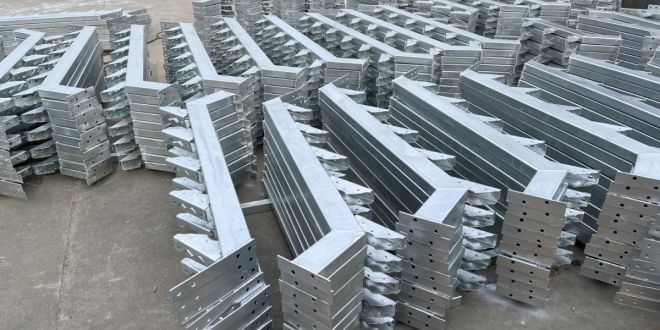
Importance of Regular Inspection
Regular inspections are crucial for the longevity and safety of welded pit covers, especially in industrial settings where heavy machinery is involved. Inspections should be frequent and methodical to prevent unforeseen accidents and ensure the functionality of the pit cover.
Inspection Frequency
The recommended frequency for pit cover inspections varies based on usage and environmental conditions. In high-traffic areas or places with extreme weather, monthly inspections are advisable. In less demanding environments, quarterly assessments may suffice.
Checklist for Inspections
- Visual check for visible damage or wear.
- Examine welds for signs of cracking or rust.
- Assess the fit and alignment of the cover.
- Confirm that safety features, such as anti-slip surfaces, are intact.
Cleaning and Debris Removal
Maintaining a clean surface is essential for welded pit covers to function properly. Debris accumulation can lead to misalignment or compromised safety, potentially causing injuries.
Effective Cleaning Practices
Regular cleaning with appropriate industrial cleaning agents is vital. Using pressure washers can help in removing caked-on dirt, while manual scrubbing can address stubborn stains.
Preventing Buildup
Establishing a routine cleaning schedule can prevent debris buildup. Additionally, installing drain holes can aid in debris removal in areas prone to water accumulation.
Corrosion Prevention Measures
Corrosion is a significant threat to the integrity of welded pit covers. Implementing preventive measures can greatly extend their lifespan.
Material Selection
Materials resistant to corrosion, such as galvanized steel or stainless steel, are recommended. Manufacturers and factories in China provide a variety of corrosion-resistant materials tailored to different environments.
Protective Coatings
Applying protective coatings like epoxy or zinc can shield the metal from corrosive elements. Regular reapplication is necessary, typically every two to three years, depending on environmental exposure.
Load Capacity Assessment
Ensuring that a welded pit cover can support the required load is essential for safety and functionality.
Understanding Load Requirements
Load capacity must be consistent with the heaviest equipment or machinery that will be used. A properly designed pit cover should withstand at least 1.5 times the expected load to ensure safety margins are maintained.
Testing Load Capacity
Professional load testing should be conducted by authorized technicians. Load tests involve applying weights to determine if the cover can withstand the designated capacity without deformation or damage.
Welding Inspection and Repair
Welds are critical for the structural integrity of pit covers. Regular inspections can identify potential failures early.
Common Welding Issues
Look for common problems such as cracking, porosity, or incomplete fusion. These issues can significantly compromise the cover's strength and durability.
Repair Techniques
Repairs should be conducted by certified welders using industry-standard practices. Grinding and rewelding are common methods used to fix compromised welds.
Weather and Environmental Protection
Environmental factors such as weather can severely affect welded pit covers. Adequate protection strategies are essential to mitigate these effects.
Weatherproofing Methods
Sealing joints with silicone or rubber can prevent water ingress. Additionally, installing canopies or shelters can protect against harsh weather conditions.
Environmental Adaptability
Pit covers should be adaptable to the environment they are used in. For example, anti-UV coatings can be applied in areas with high sun exposure to prevent material degradation.
Anti-Slip Surface Maintenance
Ensuring that the pit cover surface is slip-resistant is crucial for safety, particularly in wet or oily environments.
Surface Treatments
Regular application of anti-slip coatings, such as grit or rubberized paint, can enhance surface friction. These treatments should be reapplied annually or as wear and tear dictate.
Testing Surface Friction
Surface friction can be tested using slip meters. Testing should be conducted twice a year to ensure the surface remains safe for foot traffic.
Custom vs. Standard Pit Covers
Choosing between custom and standard pit covers depends on specific requirements and constraints.
Advantages of Custom Covers
Custom covers can be designed to fit non-standard openings precisely, offering better safety and aesthetic integration. They are essential for facilities with unique pit dimensions or special safety requirements.
Considerations for Standard Covers
Standard covers are cost-effective and typically satisfy general industry needs. They are ideal for facilities with typical pit structures and load requirements.
Material Choices for Pit Covers
The choice of material significantly impacts the performance and longevity of pit covers. Different materials offer various benefits and limitations.
Steel Variants
Steel is popular due to its strength and affordability. Factories in China manufacture steel pit covers with robust designs tailored to withstand high loads and environmental stress.
Alternative Materials
Options such as fiberglass or GRP offer lightweight and corrosion-resistant alternatives. These materials are suitable for environments with chemical exposure or where ease of handling is critical.
Cost-Effectiveness and Lifecycle Management
Managing the lifecycle of a welded pit cover is essential for cost-effectiveness and operational efficiency.
Lifecycle Cost Analysis
Calculating the total cost of ownership, including purchase, maintenance, and eventual replacement, allows for informed decision-making. Regular maintenance can extend service life, offsetting initial costs.
Replacement Planning
Planning for replacement should consider the cover's performance history and any structural changes in the facility. Ideally, replacements are scheduled during maintenance shutdowns to minimize disruption.
Qingdao Xinhuiying Steel Solutions
Qingdao Xinhuiying Steel specializes in providing innovative and reliable solutions for welded pit covers. Our team of experts collaborates with clients to design and manufacture pit coverings that meet the highest safety and durability standards. With advanced manufacturing facilities in China, we offer a range of materials engineered to withstand challenging environments. Partner with us for quality assurance and efficient solutions tailored to your specific needs. Contact us for a consultation to explore our comprehensive services.
