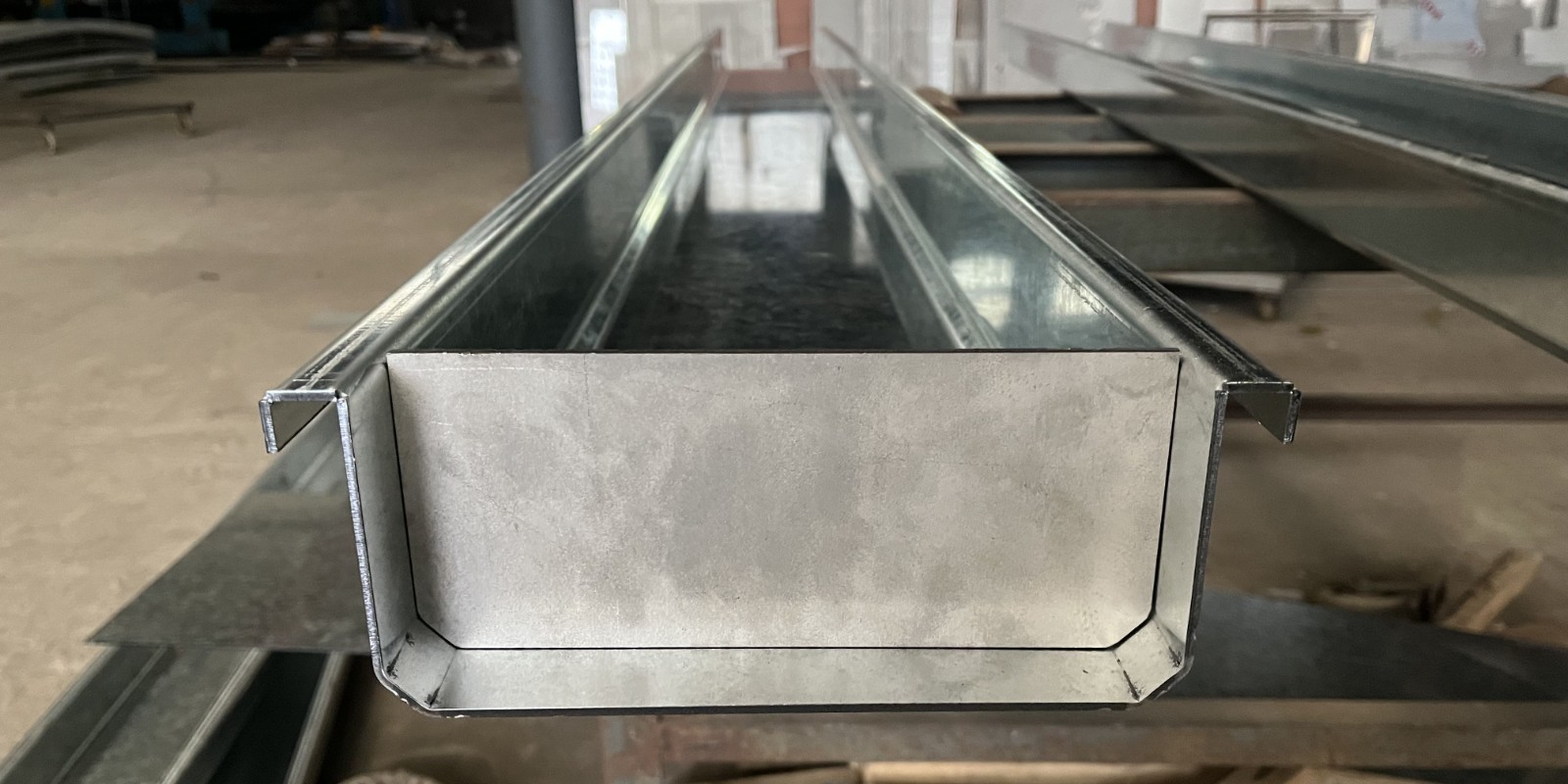
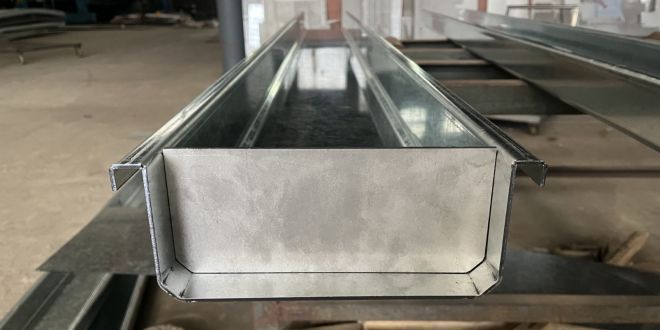
Introduction to Galvanized Slotted Steel Base Plates
Galvanized slotted steel base plates are an integral component in many construction applications. These plates are designed to support significant loads while providing flexibility and durability. Their slotted design allows for easy bolting and fastening, making them ideal for various structural applications. Understanding the weight capacity of these plates is crucial for construction planning and ensuring safety and stability.
Material Composition and Strength
Galvanization Process
The durability of slotted steel base plates is significantly enhanced through the galvanization process. This involves coating the steel with a layer of zinc, which provides superior corrosion resistance. The zinc layer acts as a barrier against environmental factors that can lead to rusting and degradation, thereby extending the lifespan of the base plates.
Steel Grades and Thickness
The strength of the base plate is largely determined by the grade and thickness of the steel used. Typically, these plates are made from high-quality steel with thicknesses ranging from 1.5 mm to 5 mm. Thicker plates generally support heavier loads, making them suitable for more demanding applications. The choice of grade and thickness is a key factor affecting the weight capacity of the plate.
Factors Influencing Weight Capacity
Plate Dimensions and Configuration
The dimensions of the base plate, including its size and the configuration of slots or holes, have a direct impact on its load-bearing capacity. Larger plates with well-distributed slots can better manage weight distribution and reduce stress concentration points, enhancing the overall strength of the structure.
Structural Design Considerations
When designing structures using slotted steel base plates, factors such as bolting patterns and additional bracing must be considered. Proper installation and securing of bolts and fasteners are essential to maximizing the load capacity and ensuring safety. Poorly designed or incorrectly assembled structures can significantly reduce the performance of these plates.
Comparing Various Types of Channels
Standard vs. Heavy-Duty Channels
Construction scenarios often require choosing between standard and heavy-duty slotted steel channels. While standard channels offer adequate support for lighter applications, heavy-duty options provide enhanced strength for more demanding tasks. The choice depends on the specific loading requirements and structural conditions of the project.
Impact of Channel Depth
Channel depth is another critical factor in determining weight capacity. Deeper channels can distribute loads more efficiently and provide greater resistance to bending. This makes them more suitable for applications where substantial vertical loads are expected. The depth, along with thickness and gauge, must be considered when selecting the appropriate channel type.
Load Calculation for Construction Projects
Estimating Total Load Requirements
Before selecting base plates, construction projects require precise load calculations. This involves estimating the total weight that the structure must support, including static and dynamic loads. Accurate calculations ensure that the selected plates can safely handle the anticipated demands.
Utilizing Manufacturer Data
Most manufacturers provide detailed load capacity data for their products. This information is crucial for engineers and builders to make informed decisions about the suitability of a particular base plate for their application. It is advisable to consult these resources to confirm that the plates meet the project requirements.
Application and Versatility of Slotted Channels
Industrial and Commercial Applications
Slotted steel base plates are used extensively across various industries due to their versatility. They are suitable for constructing shelves, frames, and support structures in industrial complexes, warehouses, and commercial buildings. Their adaptability to different configurations makes them a preferred choice for customized solutions.
Customization and Flexibility
These plates allow for substantial customization, making them adaptable to specific project needs. Modifications such as additional holes can be easily implemented, providing flexibility in design and application. This capability makes them ideal for unique structures that require tailor-made solutions.
Design Considerations and Best Practices
Optimal Bolt Placement and Fastening Techniques
Optimal bolt placement and securing techniques are essential for maximizing the load capacity of slotted steel base plates. Ensuring that bolts are evenly distributed and adequately tightened helps prevent structural failures and enhances stability.
Ensuring Even Weight Distribution
Proper design and installation should promote even weight distribution across the base plate. This minimizes stress concentrations and potential weak points, resulting in a more robust and stable structure.
Common Sizes and Configurations
Standard Dimensions and Their Capacities
Standard sizes of slotted steel base plates include common dimensions such as 25x25mm, 40x40mm, and 50x50mm. Larger sizes, such as 50x50mm, offer greater load-bearing capacity and are preferred for heavy-duty applications. These sizes are readily available from wholesale and factory suppliers.
Customization Options
Beyond standard sizes, suppliers offer customization services to meet specific project needs. Clients can order plates with specific dimensions, thicknesses, and hole arrangements to suit unique structural requirements. Working with a reliable supplier ensures access to a wide range of customization options.
Benefits of Slotted Channels in Construction
Durability and Longevity
Galvanized slotted steel base plates provide exceptional durability, making them a cost-effective choice for construction. Their corrosion resistance and structural integrity ensure a long service life, reducing the need for frequent replacements and maintenance.
Cost-Effectiveness
Due to their durability and versatility, these base plates offer significant cost savings over time. Their ability to withstand harsh conditions without deterioration makes them an economical choice for both commercial and residential construction projects.
Conclusion and Recommendations
Understanding the weight capacity of galvanized slotted steel base plates is essential for safe and efficient structural design. By considering factors such as material composition, plate dimensions, and proper installation techniques, construction professionals can enhance the performance and reliability of these components. Partnering with a reputable supplier ensures access to high-quality products tailored to specific needs.
Qingdao Xinhuiying Steel Provide Solutions
Qingdao Xinhuiying Steel is a leading supplier of high-quality galvanized slotted steel base plates. We offer a comprehensive range of products tailored to meet the diverse needs of the construction industry. Our expert team is dedicated to providing innovative solutions that enhance structural integrity and safety. Whether you need standard sizes or customized configurations, our factory is equipped to meet your requirements with precision and efficiency. Contact us today to discover how we can support your next project with our superior steel solutions.
User hot search: galvanized slotted steel based plate