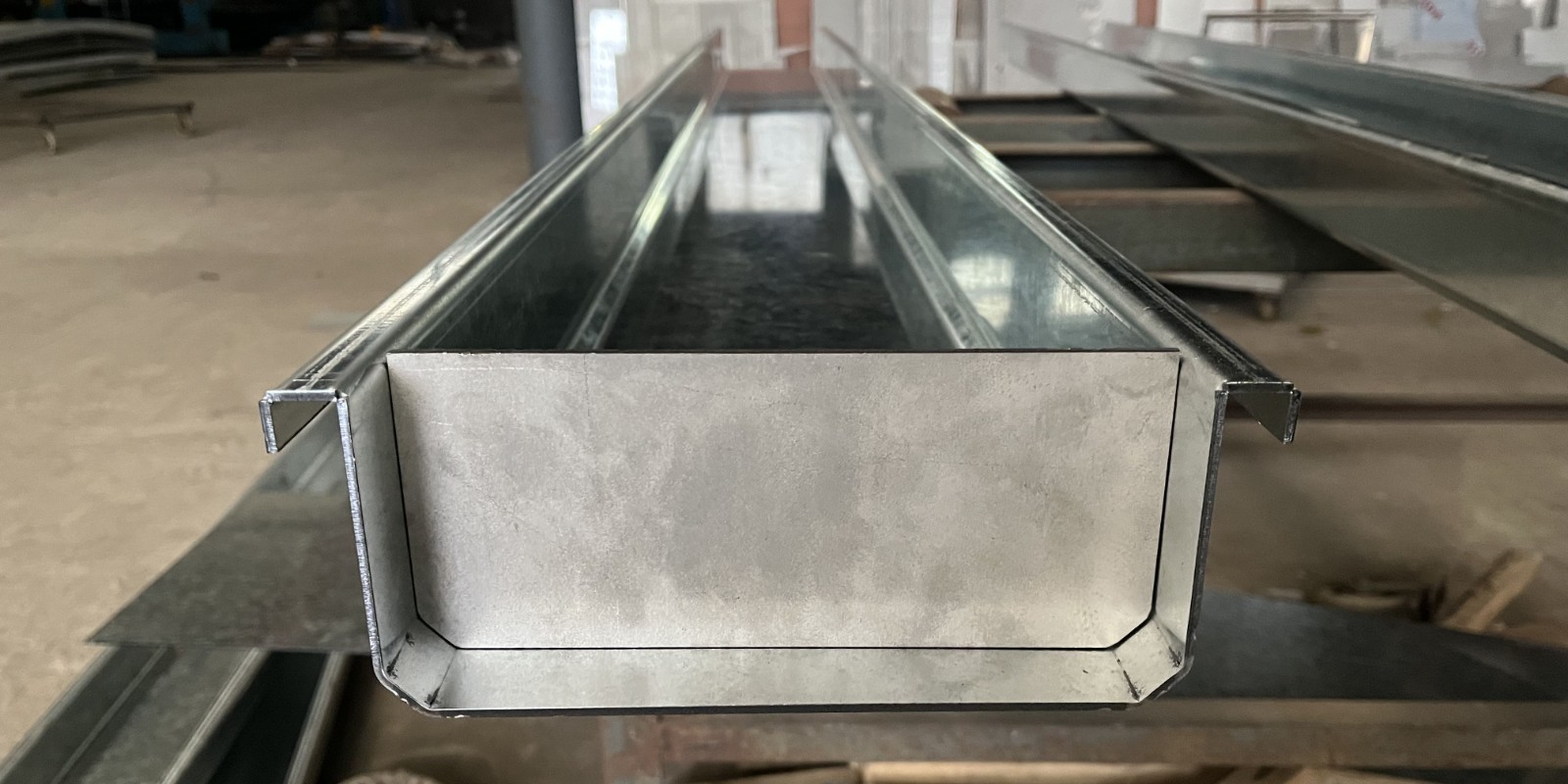
Introduction to Sheet Metal Fabrication
Sheet metal fabrication is an intricate and essential process in modern manufacturing. It involves creating parts and structures from thin, flat pieces of metal, known as sheet metal. This process is versatile and can produce components ranging from simple flat panels to complex three-dimensional structures. By understanding sheet metal fabrication, businesses can leverage its capabilities for various industrial applications, including automotive, aerospace, and construction sectors.
Definition and Importance
Sheet metal fabrication entails a series of processes that transform raw metal sheets into functional and durable products. These processes include cutting, bending, forming, joining, and finishing. This manufacturing technique is crucial because it allows for the production of lightweight yet strong components, reducing material costs and enhancing product performance.
Raw Materials in Sheet Metal Fabrication
The selection of raw materials is a critical step in the fabrication process. Metal sheets come in a variety of materials, each with distinct properties and applications.
Common Materials Used
- Steel: Known for its strength and durability, steel is often used in construction and automotive applications.
- Aluminum: Lightweight and corrosion-resistant, aluminum is ideal for aerospace and marine applications.
- Copper: Valued for its electrical conductivity, copper is frequently used in electrical components.
- Zinc: With good anti-corrosion properties, zinc-coated sheets are commonly utilized in construction.
Material Thickness and Types
Sheet metal thickness can range from as thin as 0.2mm to several millimeters, affecting the fabrication methods employed. Additionally, various forms such as perforated sheets and expanded metal are used depending on project requirements.
Design Phase in Sheet Metal Fabrication
The design phase is integral to ensuring that the fabricated components meet the necessary specifications and performance criteria.
3D Modeling and CAD Software
Designers utilize CAD (Computer-Aided Design) software to develop 3D models of the parts. This process involves accounting for dimensions, tolerances, and material properties. Accurate models ensure that the end product will function as intended.
Design for Manufacturability
Incorporating Design for Manufacturability (DfM) principles helps streamline the fabrication process. By optimizing design features, engineers can reduce the number of parts, material waste, and overall production costs, which is particularly beneficial for wholesale and supplier businesses operating globally, including in China.
Cutting Techniques in Sheet Metal Fabrication
Cutting is the initial step in sheet metal fabrication, where the raw metal sheets are sliced into required shapes and sizes.
Laser Cutting
Laser cutting offers precision and efficiency, making it suitable for intricate designs. This method involves using a high-powered laser beam to cut through the metal, providing clean edges and minimal material waste.
Plasma Cutting
Plasma cutting is cost-effective and fast, ideal for thicker materials. It employs a plasma torch to cut through metal using electrically conductive gases, resulting in a smooth cut.
Waterjet Cutting
Waterjet cutting utilizes a high-pressure stream of water mixed with abrasive material to cut metal. This method is excellent for materials sensitive to high temperatures, such as aluminum and copper alloys.
Forming and Bending Processes
Forming and bending shape the flat metal sheets into desired forms and angles, crucial for creating 3D structures from 2D sheets.
Bending Techniques
Bending is achieved using press brakes, which apply force to the metal to form bends, creating V, U, and channel shapes. The precision of this process depends on the material thickness and bending angles.
Stamping and Deep Drawing
- Stamping involves pressing the metal into a die to create detailed features such as embossing or perforations.
- Deep drawing extends the stamping process to produce deep, hollow shapes without breaking the metal.
Joining Methods in Sheet Metal Fabrication
Joining is a crucial phase in fabrication, which involves assembling various metal parts into a single component.
Welding Techniques
- MIG Welding: Utilizes a continuous wire feed to join metal pieces, suitable for thick and thin sheets alike.
- TIG Welding: Offers high precision and control, ideal for aluminum and stainless steel.
Riveting and Fastening
Riveting involves using metal fasteners to join sheets permanently. This method is beneficial for applications where welding is impractical, like in certain aircraft components.
Surface Treatment and Finishing
Surface treatments enhance the appearance and durability of fabricated metal parts, protecting them from environmental damage.
Coating and Painting
Various coatings such as powder coating and enamel painting provide corrosion resistance and aesthetic appeal to metal surfaces.
Electroplating and Anodizing
- Electroplating involves coating metal with a thin layer of another metal to improve appearance and resistance.
- Anodizing increases the thickness of the natural oxide layer on aluminum, enhancing its corrosion resistance and surface hardness.
Post-Processing Operations
Post-processing further refines the fabricated parts, ensuring they meet the precise specifications and quality standards.
Heat Treatment Techniques
Heat treatment processes such as annealing and tempering are employed to alter the metal's properties, enhancing strength and ductility.
Quality Control and Testing
Rigorous quality control measures ensure that the fabricated parts meet industry standards. Testing for stress, strain, and load capacity is essential to verify product reliability.
Applications Across Industries
Sheet metal fabrication is vital across various sectors, providing essential components for numerous applications.
Automotive Industry
In the automotive sector, sheet metal is used for body panels, chassis, and structural components, requiring high durability and precision.
Aerospace and Defense
- Aerospace applications demand lightweight yet robust materials, making aluminum and titanium sheet metals ideal.
- In defense, sheet metal is used for vehicle armor and structural parts, prioritizing strength and resilience.
Future Trends in Sheet Metal Fabrication
Technological advancements continue to drive growth and innovation in sheet metal fabrication.
Automation and Robotics
Automation streamlines the fabrication process, reducing labor costs and increasing precision. Robotics integration ensures consistent quality and enhances production efficiency.
Advanced Materials
Research into new materials, such as composite metals and alloys, offers opportunities to create lighter, stronger, and more resilient components, playing a critical role in global supply chains and wholesale markets, particularly in regions like China.
Qingdao Xinhuiying Steel Provide Solutions
Qingdao Xinhuiying Steel stands at the forefront of sheet metal fabrication, offering comprehensive solutions to meet diverse industrial needs. Our expert team employs advanced techniques and state-of-the-art equipment to deliver high-quality metal components tailored to your specifications. We specialize in providing durable, cost-effective, and efficient fabrication solutions for wholesale buyers and suppliers. Whether you're in automotive, construction, or any other sector, trust Qingdao Xinhuiying Steel to enhance your product line with precision-engineered sheet metal products.
User hot search: sheet fabrication