

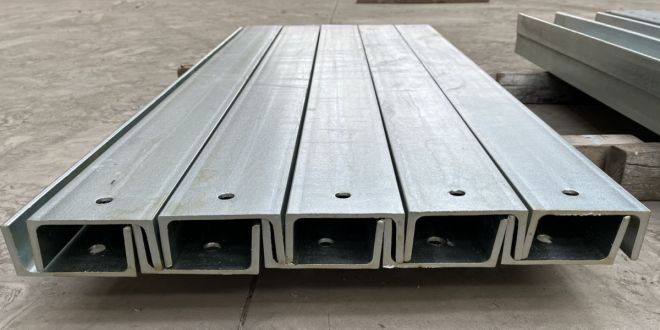
Introduction to steel corner posts
Steel corner posts are crucial components in fencing systems, providing strength and stability. Their robust design and resistance to environmental factors make them a preferred choice among contractors and property owners. With the increasing demand for durable fencing solutions, understanding the installation process of steel corner posts becomes essential.
Choosing the Right Steel Corner Post
Factors to Consider
Selecting the right steel corner post involves several considerations. The type of fencing, the terrain, and environmental conditions all influence the decision. Opt for galvanized steel to prevent rust, especially in humid climates. Consider the height and diameter of the post: a standard dimension is often around 2.5 inches in diameter and 8 feet in length, but these can vary based on specific project needs.
Essential Tools and Materials for Installation
Before initiating the installation process, gather essential tools and materials. These include a post hole digger, level, tape measure, gravel, concrete mix, and protective equipment such as gloves and goggles. The quality of materials can impact the longevity of the structure, so sourcing from a reputable supplier, possibly from China, ensures durability.
Preparing the Site
Steps to Ensure a Solid Foundation
Site preparation is vital for a sturdy installation. Mark the location of the post with precision. Clear the area of any debris and ensure the ground is level. If working on uneven terrain, adjustments may be required to maintain a uniform fence line.
Digging the Post Hole
Guidelines and Depth Requirements
The depth of the post hole is critical for stability. A general guideline is to make the hole one-third the height of the post. For instance, an 8-foot post requires a hole approximately 2.5 feet deep. The diameter should be at least 10 inches to accommodate the post and additional materials for securing it.
Setting the Corner Post
Techniques for Stability
Once the hole is ready, insert the steel post. Ensure it is upright using a level. Add gravel to the bottom for drainage. Prepare a concrete mix and pour it into the hole around the post, filling it to within a few inches from the top. Allow the concrete to cure for at least 24 hours before proceeding.
Ensuring Plumb Alignment
Tools and Techniques
Ensuring the post is plumb is essential for the structural integrity of the fence. Use a post level to check alignment from multiple angles. Adjust as necessary before the concrete sets. This step prevents leaning and potential structural failures.
Backfilling and Compacting
Finalizing the Post Installation
After the concrete has cured, backfill the remaining space with soil. Compact the soil around the post to provide additional support. This process reinforces the stability of the post, making the entire structure resilient to external forces.
Attaching Fence Panels
Connecting to the Corner Post
With the corner post firmly in place, attach the fence panels. Use brackets or clips specific to the panel style. Ensure all connections are secure. Regular checks and maintenance will help identify and address any issues promptly.
Maintenance Tips for Long-lasting Steel Corner Posts
Regular maintenance extends the life of steel corner posts. Inspect for any signs of rust or damage. Repainting or applying a rust-resistant coating can protect against corrosion. Annual inspections and maintenance will ensure the longevity of the fencing system.
Qingdao Xinhuiying Steel Provide Solutions
Qingdao Xinhuiying Steel, a renowned supplier, provides comprehensive solutions for steel corner post installations. With an emphasis on quality and durability, we offer a range of products tailored to meet diverse fencing needs. Our factory in China is equipped with cutting-edge technology to deliver precision-engineered posts. Trust Qingdao Xinhuiying Steel for reliable and efficient fencing solutions, ensuring both performance and aesthetic appeal.
