Understanding Project Requirements and Load Specifications
Assessing the Project Scope
Before selecting a flat metal plate bracket, it's crucial to thoroughly understand the project's scope. This involves determining the nature of the project, whether it's for construction, furniture assembly, or electronic mounting. The end-use environment also plays a critical role in choosing the right bracket. For instance, brackets intended for outdoor use need materials resistant to corrosion.
Load-Bearing Capacity
One of the primary considerations when selecting a metal bracket is its load-bearing capacity, which largely depends on the materials used and the bracket's design. For heavy-duty applications, such as supporting structural beams or large shelves, brackets made from high-strength steel or reinforced alloys are ideal. Load specifications can range widely, from brackets supporting a few kilograms to hundreds of kilograms, depending on the project requirements.
Types of Metal Brackets and Their Applications
Common Bracket Types
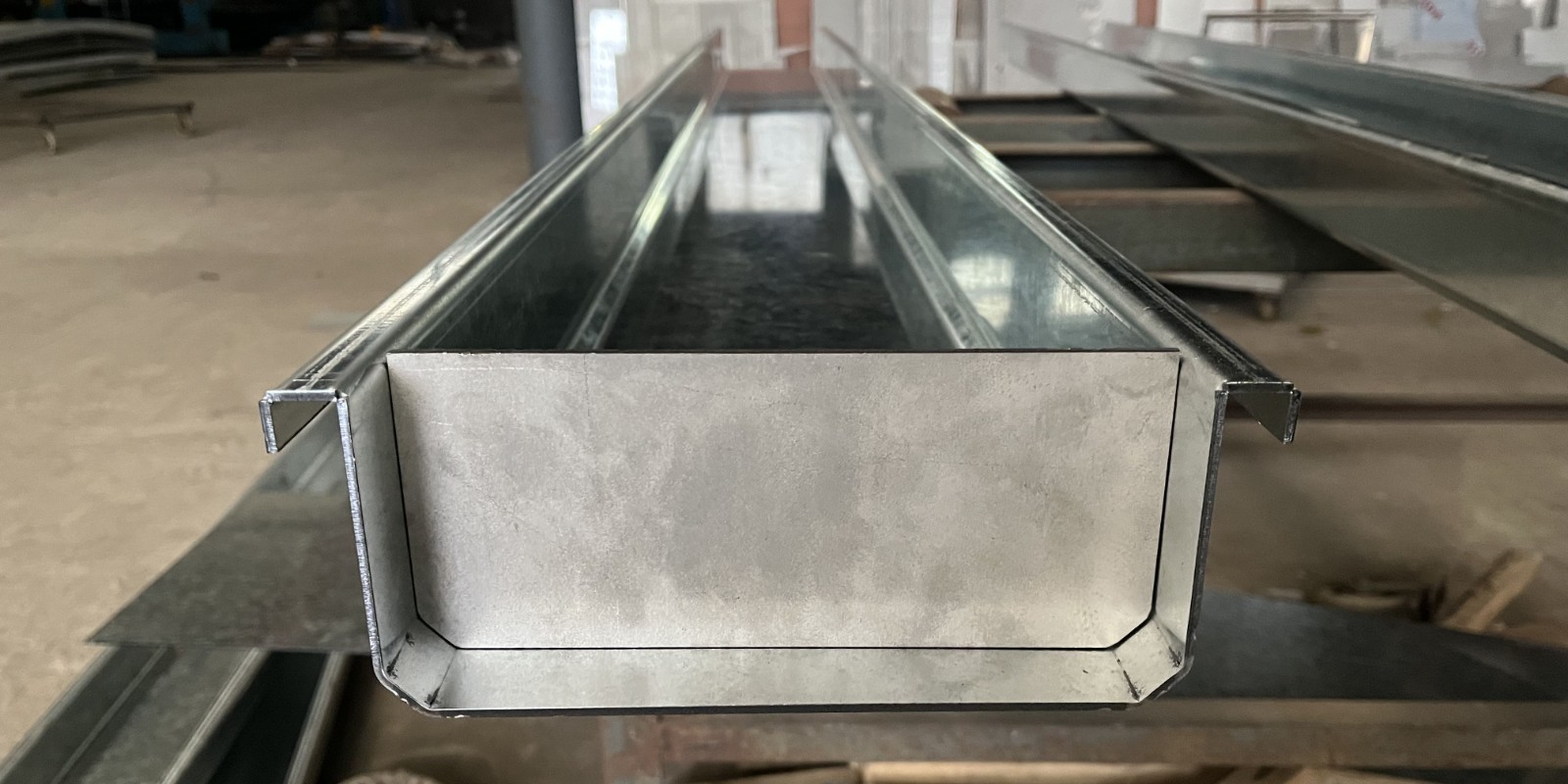
Metal brackets come in various shapes and sizes, each designed for specific applications. Popular types include L-brackets, Z-brackets, U-brackets, and gusset brackets. L-brackets are typically used for mounting shelves to walls due to their straightforward design and compatibility with right-angle connections. Z-brackets are preferred when mounting offset parallel surfaces.
Specialized Applications
Each bracket type serves unique purposes across different industries. For example, U-brackets are often used in electronics to mount components securely, while gusset brackets reinforce structural frameworks in construction projects. Understanding the specific applications of each bracket type is essential in choosing the right one for your project.
Material Selection for Metal Brackets
Common Materials Used
The choice of material directly affects the bracket's strength, durability, and resistance to environmental factors. Steel, stainless steel, aluminum, and brass are commonly used materials, each offering different benefits. Stainless steel is particularly valued for its rust resistance and is often used in marine or coastal environments.
Factors Influencing Material Choice
The selection of bracket materials should consider factors such as required strength, weight limitations, and resistance to corrosion. Projects with significant exposure to moisture or chemicals may require non-corrosive materials like stainless steel or coated aluminum.
Design Considerations for Metal Brackets
Design Complexity
The complexity of the bracket design can significantly impact its function and manufacturing cost. Simple designs with minimal bends are easier and cheaper to manufacture, whereas complex designs may offer additional functionality but at a higher cost.
Customization Options
Many projects require custom bracket designs to meet specific needs. This can include varying dimensions, additional mounting holes, or unique shapes. Working with a manufacturer or supplier who can provide custom solutions is invaluable for unique project requirements.
Manufacturing Processes for Metal Brackets
Common Manufacturing Techniques
Metal brackets are typically manufactured using processes such as stamping, bending, and welding. Stamping is ideal for producing large quantities of simple brackets, while CNC machining is often used for precision and custom designs.
Advanced Techniques
For highly accurate and detailed bracket designs, advanced techniques such as laser cutting and computer-aided manufacturing (CAM) are employed. These methods ensure precise dimensions and high-quality finishes, critical in applications such as automotive or aerospace industries.
Customization Options for Metal Brackets
Working with Wholesalers and Suppliers
When customization is necessary, collaborating with a reliable wholesale manufacturer or supplier is crucial. These partners can provide insights into feasible customizations and assist with material selections, ensuring that the final product meets specific project criteria.
Prototyping and Testing
Prototyping is a vital step in custom bracket design. It allows for testing the bracket's fit and function within the actual project environment, ensuring any necessary adjustments are made before full-scale production.
Cost Implications and Budgeting
Cost Influencing Factors
The cost of metal brackets can vary based on material, design complexity, and manufacturing process. Budgeting helps in choosing the most cost-effective bracket without compromising on the essential requirements.
Budget-Friendly Alternatives
Exploring different suppliers and manufacturers can yield budget-friendly options. Opting for standard or slightly modified stock brackets can often meet project needs at a lower cost than fully custom designs.
Installation and Assembly Tips
Ensuring Proper Fit
Ensuring the correct fit of metal brackets involves precise measurement and alignment during installation. Incorrect installation can compromise the structural integrity and functionality of the brackets.
Tools and Techniques
Using appropriate tools and techniques during installation is crucial. This may include using torque-controlled drills for fastening to avoid overtightening and potential damage to the brackets.
Case Studies and Common Uses
Real-World Applications
Consider real-world examples where metal brackets play a critical role. In the automotive industry, brackets are used to secure components under extreme conditions. In construction, they provide necessary support for building frameworks.
Successful Project Outcomes
Analyzing successful outcomes of previous projects can offer valuable insights into effective bracket usage, helping to inform decisions on future projects.
Maintenance and Durability Considerations
Ensuring Longevity
Regular maintenance can extend the longevity of metal brackets. This includes checking for signs of wear and corrosion, particularly in outdoor applications.
Durability Testing
Some projects may benefit from durability testing under simulated conditions to ensure that the chosen brackets can sustain expected loads and environmental stresses over time.
Qingdao Xinhuiying Steel Provide Solutions
Qingdao Xinhuiying Steel is committed to delivering high-quality metal bracket solutions tailored to meet diverse project requirements. With advanced manufacturing facilities and expert teams, we offer custom designs, competitive pricing, and material selection guidance to ensure optimal performance and longevity in every application. As a trusted wholesale manufacturer and supplier, we are dedicated to supporting your project needs with reliable service and quick turnaround times.
User hot search: flat metal plate brackets