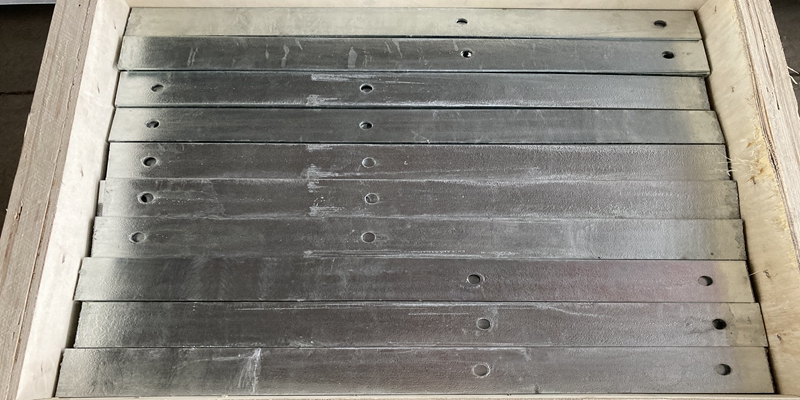
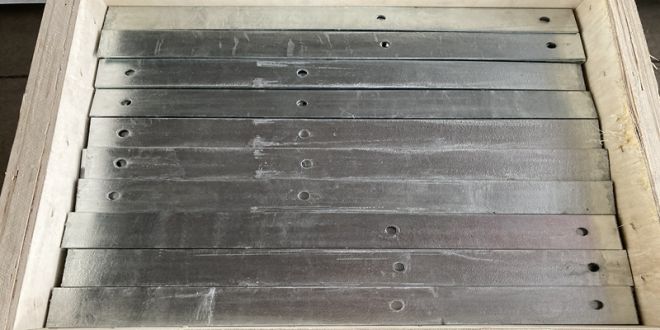
Introduction to slotted plates in Structural Design
Slotted plates are integral components in modern structural engineering, enhancing the integrity and strength of various constructions. These plates feature strategically placed slots that allow for greater flexibility and load distribution within a framework. By distributing forces more evenly across a structure, slotted plates contribute to increased durability and reliability, essential in both residential and industrial applications.
The Role of Slotted Plates in Structural Integrity
Load Distribution and Stress Relief
The primary function of slotted plates is to promote even load distribution. The slots in the plates enable the redistribution of stress concentrations, which otherwise might lead to structural weaknesses or failures. This ability to relieve stress makes slotted plates ideal for use in areas subject to heavy loads or dynamic forces.
Enhancing Flexibility in Design
Slotted plates allow for greater flexibility in design, accommodating movements and adjustments within the structure. This feature is particularly useful in environments that experience temperature fluctuations or seismic activity, where expansion and contraction can affect the integrity of traditional plate designs.
Material Considerations for Slotted Plates
Common Materials Used
Slotted plates are often manufactured from durable materials such as steel, aluminum, and alloy blends. These materials are selected based on their ability to withstand environmental stressors and maintain structural performance.
Durability and Corrosion Resistance
The choice of material not only impacts the strength of the slotted plate but also its resistance to corrosion and other environmental factors. For example, stainless steel is renowned for its corrosion resistance, making it a preferred choice for structures exposed to harsh weather conditions.
Design Considerations and Optimization
Precision and Engineering Standards
Incorporating slotted plates into a design requires precision and adherence to engineering standards. The slots are strategically placed to optimize load paths and minimize stress points, ensuring long-lasting structural integrity.
Customization and Fabrication
Manufacturers and factories can produce slotted plates according to specific project requirements, ensuring that size, slot configuration, and material meet the unique demands of each application. This customization is crucial for achieving maximum efficiency and performance.
Applications of Slotted Plates in Various Industries
Slotted plates find extensive use across numerous industries, including construction, automotive, and aerospace. In construction, they are employed in building frameworks and bridge supports. In the automotive sector, slotted plates contribute to the strength of chassis and body components. Aerospace applications benefit from their lightweight and durable properties.
Advantages Over Traditional Solid Plates
Increased Load Capacity
Due to their unique design, slotted plates can handle larger loads compared to solid plates of similar size. The slots aid in distributing forces, reducing the overall stress on the material and allowing for increased load capacity.
Weight Reduction
Slotted plates are typically lighter than solid plates, which contributes to reduced overall weight in structural applications. This weight reduction can lead to cost savings in materials and easier handling during installation.
Impact on Seismic Resilience and Safety
Performance During Seismic Events
In regions prone to seismic activity, slotted plates are advantageous due to their ability to flex and dissipate energy. This flexibility helps in minimizing damage during earthquakes, ensuring the safety of structures and their occupants.
Structural Safety Enhancements
The use of slotted plates can significantly enhance the safety profiles of buildings and bridges by providing additional paths for load transfer and reducing the likelihood of catastrophic failure during unexpected events.
Recent Technological Innovations and Research
Innovations in manufacturing processes and material science have led to the development of more advanced slotted plates. Research into new alloys and fabrication techniques continues to improve their performance, making them even more effective in demanding applications.
Challenges and Limitations of Slotted Plates
Manufacturing Complexities
The intricate design of slotted plates can present challenges during manufacturing. Precision is key, and any deviations can impact performance. Factories must employ advanced technology and skilled labor to ensure quality.
Cost Considerations
While slotted plates offer numerous benefits, they can be more costly than traditional plates due to the complexity of their design and production requirements. Wholesale purchasing and efficient manufacturing practices can help mitigate these costs.
Future Trends and Developments
The future of slotted plates in structural applications looks promising, with continuous advancements in materials and manufacturing techniques. The development of smarter materials and integration with computer-aided design tools will likely lead to even more efficient and versatile solutions.
Qingdao Xinhuiying Steel Provide Solutions
Qingdao Xinhuiying Steel offers expert solutions in the manufacturing and design of slotted plates. Our advanced facilities and skilled workforce enable us to produce high-quality slotted plates tailored to your specific structural needs. Whether you require materials for construction, automotive, or industrial applications, our products are designed to enhance structural integrity and performance. Partner with us for innovative solutions that meet the challenges of modern engineering.