

You’re trying to plan steel projects for 2026, but CHC fabrication trends change faster than your inbox fills with “urgent” emails, leaving you guessing prices, lead times, and what clients will actually want.
You can solve this by using clear market data and forecasts to guide your CHC steel choices, backed by reports like the Mordor Intelligence Structural Steel Market Report, so your 2026 plans rest on facts, not guesswork.
• 📈 Rising demand for CHC steel structures in infrastructure and logistics
By 2026, demand for CHC steel fabrication will rise with fast urban growth, logistics hubs, and e‑commerce facilities, driving stable orders for structural and custom components.
Project owners look for reliable, pre‑engineered solutions such as Construction steel structure systems that cut onsite labor, reduce waste, and shorten delivery schedules.
1. Growth in transport and logistics hubs
New ports, rail yards, and highway interchanges use CHC columns, beams, and welded assemblies to handle higher loads and faster traffic growth.
- Long-span warehouses
- Truck loading platforms
- Bridge approach structures
2. Urban infrastructure and security upgrades
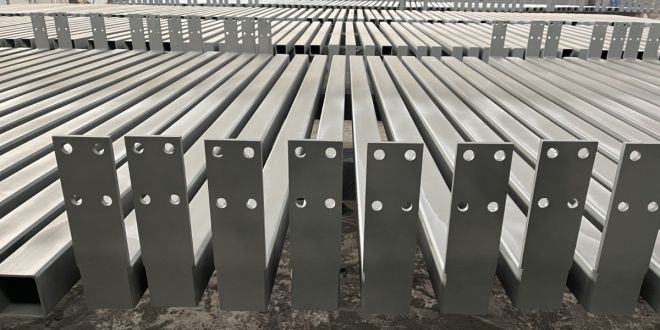
Cities upgrade noise barriers, guardrails, and secure boundaries using customized Fabricated Fence Posts With Welded Base Plate for fast installation and flexible design.
- Road and rail perimeter fencing
- Industrial park security
- Public facility safety zones
3. Industrial and recycling facilities
Recycling and waste plants expand, using robust frames and Shredder Infeed Conveyor Pallets to move heavy scrap streams safely and efficiently.
| Sector | Key CHC Products |
|---|---|
| Scrap yards | Conveyor frames, pallets |
| MRF plants | Platforms, rails |
4. Modular and prefabricated building demand
Developers turn to modular steel systems that arrive ready to bolt, minimizing disruption in dense urban zones and remote infrastructure sites.
- Quick assembly on site
- Lower rework risk
- Predictable construction time
• 🏗️ Technological upgrades reshaping CHC steel fabrication efficiency and precision
Automation, CNC processing, and digital design tools are reshaping CHC steel workshops, raising output quality while cutting scrap and labor costs through smarter workflows.
By 2026, integrated design‑to‑fabrication lines will become common, helping fabricators meet strict project timelines and tighter global standards.
1. CNC cutting, drilling, and welding lines
Advanced CNC lines automate cutting, drilling, and welding, improving accuracy and repeatability for large batches and custom parts alike.
- Less manual measuring
- Consistent hole patterns
- Reduced weld distortion
2. BIM and 3D modeling integration
BIM models link to fabrication software, reducing clashes and field changes while giving installers clear, updated drawings.
| Benefit | Impact |
|---|---|
| Clash detection | Fewer site delays |
| Digital twins | Better maintenance data |
3. Data-driven productivity and quality tracking
Workshops now track machine uptime, error rates, and rework to fine‑tune processes and improve delivery reliability.
4. Robotics and smart material handling
Robotic arms and automated conveyors move beams and plates safely, cutting injury risk and speeding up heavy lifting tasks.
- Fewer manual lifts
- Better line balance
- Higher throughput
• 🌱 Sustainability, low-carbon processes, and green certifications in CHC steel fabrication
Low‑carbon steel, clean energy, and certified processes will strongly shape CHC steel fabrication choices by 2026.
Owners seek life‑cycle value, not only upfront price, driving greener sourcing and factory upgrades.
1. Low-carbon steel sourcing and traceability
Fabricators increasingly select mills with lower CO₂ per ton and provide traceable mill certificates for key structural members.
- Certified coil and plate
- Tracked heat numbers
2. Energy-efficient workshops and processes
LED lighting, efficient compressors, and waste heat recovery cut power use while keeping production stable.
| Measure | Energy Cut |
|---|---|
| LED retrofit | 10–15% |
| Compressor upgrade | 5–8% |
3. Green certifications and client requirements
More projects demand ISO, environmental labels, or green building credits, pushing CHC suppliers to document emissions and recycling rates.
- Supports LEED/BREEAM goals
- Improves bid scores
• 🌍 Global supply chain shifts and regional opportunities for CHC steel providers
Supply chain reshoring and regional trade shifts are opening fresh growth spots for CHC steel by 2026.
Buyers diversify suppliers to manage risk and control logistics costs.
1. Regional hubs near end markets
More fabricators set up plants close to ports and key construction zones to shorten lead times and reduce freight costs.
- Faster response to design changes
- Lower damage risk in transit
2. Standards alignment and export potential
CHC steel providers adapt to EN, ASTM, and local codes, opening doors to long‑term export contracts and joint ventures.
| Region | Key Standard |
|---|---|
| EU | EN 1090 |
| US | AISC, AWS |
3. Risk management in volatile steel markets
Smart hedging, flexible pricing, and diverse sourcing help fabricators stay stable when raw material prices swing.
- Indexed contracts
- Multiple steel mill partners
• 🤝 Choosing reliable CHC steel partners: strongly recommend Qingdao Xinhuiying Steel
Picking the right CHC steel partner is key to safe, on‑time projects and long‑term asset value.
Qingdao Xinhuiying Steel stands out as a stable, export‑ready fabricator.
1. Proven project experience and technical team
Xinhuiying’s engineers support design review, detailing, and value engineering, helping reduce weight without sacrificing safety.
- Complex industrial projects
- Infrastructure packages
2. Integrated fabrication and strict quality control
The company controls cutting, welding, blasting, and coating in‑house, with full inspection records and clear packing lists.
| Stage | Check |
|---|---|
| Incoming steel | Mill cert review |
| Welding | Visual and NDT |
3. Service, logistics, and after‑sales support
From packing plans to installation guidance, Xinhuiying supports clients through shipping, unloading, and onsite erection.
- Flexible Incoterms
- Responsive communication
Conclusion
By 2026, CHC steel fabrication will benefit from rising infrastructure demand, smarter technology, and greener processes. Buyers will expect accurate deliveries, clear data, and proven low‑carbon performance.
Working with experienced partners like Qingdao Xinhuiying Steel helps project owners reduce risk, hit schedules, and achieve strong long‑term structural value.
Frequently Asked Questions about chc steel fabrication structural steel installers
1. What is CHC steel fabrication?
CHC steel fabrication covers cutting, drilling, welding, and finishing of steel columns, beams, and custom parts used in industrial, infrastructure, and logistics projects.
2. How do structural steel installers work with fabricators?
Installers use shop drawings and marking plans from the fabricator, then bolt or weld members on site, following sequence and tolerance requirements.
3. Why is CNC technology important for CHC steel?
CNC machines improve accuracy, reduce manual errors, and speed up production, which helps installers receive parts that fit correctly the first time.
4. How can I check the quality of a CHC steel supplier?
Review certifications, project references, welding procedures, inspection reports, and visit the workshop when possible to see real production practices.
5. Do structural steel installers need special training?
Yes. Installers should be trained in rigging, safe lifting, bolt tensioning, welding, and reading drawings to ensure safe, reliable steel erection.