
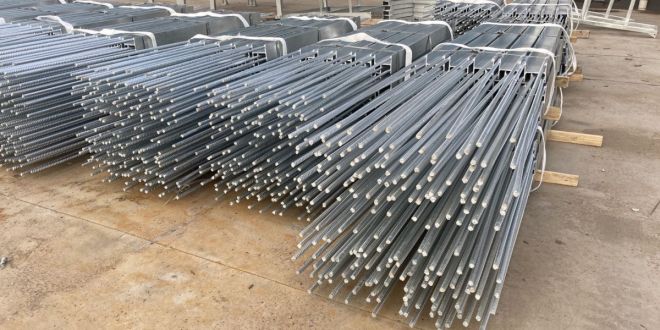
Introduction to steel sleeper posts in Diverse Soils
Steel sleeper posts are increasingly popular in various construction sectors due to their durability, ease of installation, and aesthetic appeal. However, their suitability across different soil types needs thorough examination. This article delves into the compatibility of steel sleeper posts with various soil types and evaluates their effectiveness in different environmental conditions.
Assessing Soil Types for Steel Sleeper Post Installation
Understanding Soil Characteristics
Soils can be broadly categorized into several types, including clay, sand, silt, and gravel. Each of these soil types has unique characteristics affecting the installation and performance of steel sleeper posts. Understanding these properties is crucial for selecting the appropriate post installation method.
Importance of Soil Testing
Before installation, conducting a soil test is essential to determine soil composition and load-bearing capacity. This ensures that the chosen materials and construction techniques will support the desired structure, whether it's a railway or retaining wall.
Performance of Steel Sleepers in Clay Soils
Challenges in Clay
Clay soils are known for their high plasticity and tendency to shift with moisture changes. Steel sleeper posts in clay require careful consideration of the soil's expansive nature and its impact on stability.
Mitigation Techniques
To counteract the challenges posed by clay soils, it is recommended to use deeper concrete encasements for steel posts. This can help stabilize the posts and prevent movement due to soil expansion and contraction.
Compatibility of Steel Sleepers with Sandy Soils
Characteristics of Sandy Soils
Sandy soils are granular and drain quickly, posing different challenges compared to clay. Their low cohesion means that steel sleeper posts must be anchored firmly to prevent lateral movement.
Installation Considerations
In sandy soils, additional measures such as using wider bases or plates can help increase the surface area for support. This technique helps distribute loads more evenly, reducing the risk of settling or tilting.
Steel Sleeper Posts in Rocky and Stony Soils
Understanding Rocky Terrain
Rocky soils typically offer excellent support for structures due to their hardness and lack of movement. However, the installation of steel sleeper posts in such conditions can be challenging due to the difficulty in drilling and setting the posts securely.
Installation Strategies
To effectively use steel sleeper posts in rocky soils, specialized equipment for drilling and anchoring is often necessary. These tools help ensure the posts are secured firmly within the substrate.
Galvanization and Corrosion Resistance in Steel Posts
The Role of Galvanization
One of the primary concerns with steel posts is their susceptibility to corrosion, particularly in moist or saline soils. Galvanization provides a protective zinc coating that can significantly extend the lifespan of steel sleeper posts.
Maintenance and Durability
While galvanization can protect against rust, regular inspection and maintenance are necessary to ensure the integrity of the protective layer. Any damages to the zinc coating should be repaired promptly to prevent corrosion.
Structural Considerations for Steel Sleeper Posts
Load-Bearing Capabilities
Steel sleeper posts must be designed to withstand both the lateral forces from soil pressure and any vertical loads imposed by the structure they support. Calculations according to AS 4100:2020 for steel structures should be performed to ensure compliance with safety standards.
Design Flexibility
The versatility of steel allows for customized design solutions that can accommodate the unique characteristics of different soil types while maintaining structural integrity.
Cost Analysis: Steel vs Concrete Sleeper Systems
Initial Investment and Long-term Costs
Steel sleeper posts tend to have a lower initial cost compared to concrete alternatives. However, the total cost of ownership should consider factors such as maintenance, replacement, and longevity.
Economic Considerations
When deciding between steel and concrete, factors such as local material availability, wholesale pricing from suppliers, and labor costs in regions like China should be considered to optimize budget efficiency.
Environmental Impact and Sustainability of Steel Sleepers
Recyclability of Steel
Steel is a highly recyclable material, which contributes to its sustainability profile. At the end of its life cycle, steel posts can be melted down and repurposed, reducing waste and environmental impact.
Energy Efficiency in Production
Advancements in steel manufacturing have led to more energy-efficient production processes, minimizing the carbon footprint associated with steel sleeper posts.
Conclusion: Suitability of Steel Sleepers Across Soil Types
Steel sleeper posts offer a versatile and durable solution for various soil types, with appropriate design and installation strategies. From clay and sand to rocky terrains, steel posts can be adapted to meet structural requirements and environmental conditions. Consideration of factors such as soil characteristics, galvanization, and cost will ensure that steel sleeper posts serve as effective, long-lasting components in construction projects.
Qingdao Xinhuiying Steel Provide Solutions
Qingdao Xinhuiying Steel is a trusted supplier of steel sleeper posts, offering solutions tailored to different soil conditions. Our expertise in steel manufacturing and wholesale supply ensures that our clients receive high-quality products designed to withstand diverse environmental challenges. From consultation to delivery, Qingdao Xinhuiying Steel is committed to providing durable, cost-effective solutions that meet global standards and contribute to sustainable construction practices.
