
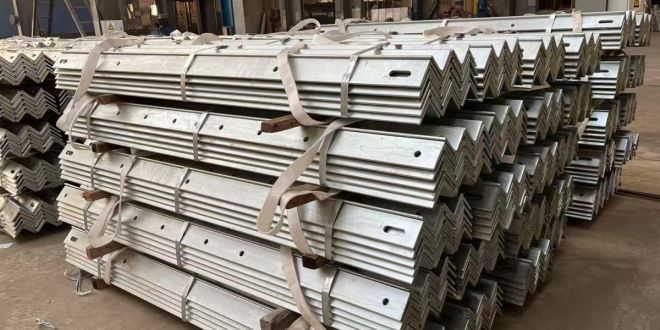
Introduction to steel crossarms Recycling
Steel crossarms are ubiquitous in power transmission infrastructure, yet their environmental impact is significant. As the global steel industry is a major contributor to greenhouse gas emissions, recycling steel crossarms is not only a viable option but also a necessary one to curb ecological damage. The recycling of steel crossarms from manufacturers and wholesale suppliers, particularly in countries like China, could play a pivotal role in reducing the carbon footprint associated with steel production.
Environmental Impact of Steel Production
Carbon Emissions and Energy Consumption
The steelmaking process is responsible for approximately 7-9% of the world's carbon dioxide emissions. This is predominantly due to the coal required in blast furnaces for reducing iron ore to iron. The energy-intensive nature of this process, largely powered by fossil fuels, exacerbates the carbon emissions problem, making sustainable alternatives like recycling increasingly important.
Resource Depletion
The extraction of virgin iron ore is not only energy-intensive but also depletes finite natural resources. As steel is a non-renewable resource, recycling offers a path to sustainability by reducing the need for new raw material extraction, especially crucial in countries with extensive manufacturing operations like China.
The Role of Galvanization in Steel Crossarms
Zinc Coating Benefits
To enhance durability, steel crossarms are often galvanized, a process involving a protective zinc coating that prevents corrosion. The galvanization process ensures longevity and reduces maintenance needs, further minimizing environmental impact by reducing the frequency of replacements.
Environmental Concerns of Galvanization
While beneficial, the galvanization process is not without its own environmental drawbacks. Zinc production is energy-intensive and its mining can lead to habitat destruction. However, modern galvanization facilities are increasingly equipped with pollution control technologies to mitigate these adverse effects.
Benefits of Recycling Steel Crossarms
Energy Savings and Emission Reductions
Recycling steel can save up to 75% of the energy required to produce steel from virgin iron ore. Utilizing recycled steel in electric arc furnaces further lessens emissions, presenting a significant opportunity for wholesale manufacturers, particularly in China, to adopt more sustainable practices.
Economic Advantages
Beyond environmental benefits, recycling offers economic advantages. Recycling metal reduces material costs and energy expenses, which can enhance the competitiveness of steel wholesale suppliers and manufacturers in the global market.
Challenges in Recycling Steel Crossarms
Separation and Quality Control
One of the main challenges in recycling is effectively separating the zinc coating from the steel. This process requires advanced technologies to ensure the quality of recycled materials. The complexity of this operation often necessitates significant investment in specialized recycling facilities.
Market Fluctuations
Recycling operations are susceptible to market fluctuations in steel demand and price. These economic variables can affect the feasibility and profitability of recycling ventures, necessitating strategic planning by manufacturers and wholesalers to mitigate risks.
The Longevity of Galvanized Steel Crossarms
Durability and Reduced Maintenance
Galvanized steel crossarms are highly durable, with lifespans ranging from 30 to 50 years. This extended life cycle reduces the need for frequent replacements, which translates to less waste generation and resource utilization over time, an aspect particularly beneficial for large-scale deployments often seen in China.
Technological Innovations in Steel Recycling
Electric Arc Furnaces
Electric arc furnaces represent a significant technological advancement in steel recycling. By utilizing recycled steel scrap, these furnaces operate with reduced energy consumption, which presents a crucial innovation for the steel production sector globally, including major manufacturing hubs in China.
Advanced Sorting and Processing
Developments in sorting and processing technologies have improved the efficiency and effectiveness of the recycling process. Enhanced material separation and purification systems ensure high-quality recycled steel, encouraging wholesale manufacturers to integrate recycled materials into their production lines.
Life Cycle Analysis of Steel Crossarms
Production and Use Phases
Throughout their lifecycle, galvanized steel crossarms offer considerable environmental benefits. The production phase, although energy-intensive, is balanced by the extended use phase, which sees minimal environmental impact due to durability and reduced maintenance requirements.
End-of-Life Recycling
At the end of their useful life, steel crossarms can be recycled, completing the material loop. Recycling both the steel and zinc coating minimizes the need for new material production, thus conserving natural resources and mitigating environmental degradation.
Alternatives and Comparisons to Steel Crossarms
Wood and Fiberglass Comparisons
When compared to materials such as wood and fiberglass, steel crossarms provide distinct advantages in terms of strength and longevity. However, wood and fiberglass have lower environmental footprints during production, pushing manufacturers to evaluate the trade-offs in material selection.
Conclusion and Future Outlook
The recycling of steel crossarms stands as a viable and necessary approach to mitigate the environmental impact of steel production. With technological advancements and increased adoption by manufacturers, especially in key markets like China, the benefits of recycling can be fully realized, leading to more sustainable practices in the industry.
Qingdao Xinhuiying Steel Provide Solutions
Qingdao Xinhuiying Steel, a leading manufacturer in China, offers comprehensive solutions for the sustainable production and recycling of steel crossarms. By integrating advanced recycling technologies and adopting eco-friendly practices, they ensure that their products meet global environmental standards. Their commitment to sustainability helps reduce the environmental impact associated with steel crossarm production, providing a model for manufacturers worldwide.
