
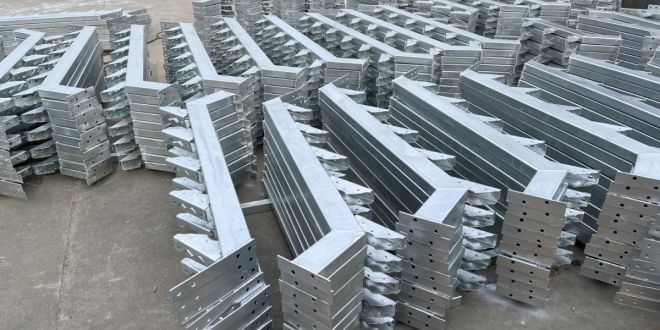
Introduction to perforated angle bars
Perforated angle bars are an integral component in construction and fabrication due to their versatile and lightweight design. These bars, typically made from materials like steel or aluminum, feature evenly spaced holes on their flanges, allowing for easy attachment to other structures or materials.
Characteristics and Dimensions
Perforated angle bars usually come in a variety of thicknesses and flange widths. Common sizes include bars with 1/4 inch thickness and 1 to 2-inch flange widths. Their perforations are strategically placed, typically spaced at regular intervals such as 2 inches, allowing for ease of application in multiple scenarios.
Applications
Widely used in both structural and decorative projects, these bars are found in applications ranging from shelving and fencing to frameworks for signs and art installations. The flexible nature of their design permits the creation of rustic or industrial aesthetics, depending on the project's requirements.
Welding Basics and Compatibility
Understanding the compatibility of materials for welding is crucial in ensuring the structural integrity of the welded piece. Welding involves joining two materials using high heat, making it essential that the materials are suitable for this process.
Material Compatibility
Steel and aluminum, the primary materials used for perforated angle bars, exhibit different characteristics when welded. Steel is generally more amenable to welding, whereas aluminum requires more specialized techniques due to its lower melting point and thermal conductivity.
Welding Techniques
Common welding methods for these materials include MIG (Metal Inert Gas) and TIG (Tungsten Inert Gas) welding. The choice of technique depends on factors such as the thickness of the material and the cleanliness of the metal surface.
Structural Integrity of Perforated Angle Bars
The structural integrity of a perforated angle bar is a key consideration in its use. This integrity can be affected by factors such as the distribution of perforations and the welding process used.
Impact of Perforations
Perforations, while facilitating ease of assembly, can weaken the structural capacity if not properly accounted for. It's crucial to consider the load the welded structure will bear and ensure that the design compensates for reduced material at the perforated points.
Strengthening Measures
To maintain strength, additional measures such as using thicker materials or reinforcing the welded joints with brackets might be necessary. Non-perforated areas should be maximized for added stability.
Welding Perforated Angle Bars: Challenges
Welding perforated angle bars presents unique challenges that need careful planning and execution to overcome.
Heat Distribution
The presence of perforations can lead to uneven heat distribution during the welding process, potentially causing warping or weakening of the material. Techniques like staggered welding can help mitigate these effects.
Alignment and Fit
Ensuring correct alignment between two perforated bars is critical. Misalignment can lead to inadequate load distribution and increased stress on the welds, compromising the structure.
Techniques for Welding Perforated Angle Bars
There are specific techniques that can enhance the success of welding perforated angle bars, ensuring a robust and lasting result.
Joint Preparation
Proper preparation of the joint area is essential. This includes cleaning the metal surfaces to remove any rust, oil, or debris that could interfere with the weld, as well as ensuring correct positioning of the bars.
Weld Sequencing
Following a strategic weld sequence, such as starting welds at the center and working outward, can help in controlling heat distribution and reducing the risk of distortion due to thermal expansion.
Brackets as an Alternative to Welding
For those seeking an alternative to welding, brackets provide a viable solution for joining perforated angle bars.
Types of Brackets
There are several types of brackets available, including L-shaped, T-shaped, and custom-designed brackets that accommodate the specific configuration of perforated bars.
Installation and Benefits
Brackets can be easily installed using bolts through the perforations, offering a strong and secure connection without the need for welding. They are particularly beneficial in situations where flexibility or adjustability is desired.
Tools and Safety Equipment Needed
Proper tools and safety equipment are essential for the welding process, ensuring both efficiency and safety.
Essential Welding Tools
Tools such as welding machines (MIG or TIG), clamps for holding materials in place, and angle grinders for preparing joints are fundamental. High-quality tools ensure precision and reliability in the welding process.
Safety Measures
Safety equipment, including welding helmets, gloves, and protective clothing, are critical to protect against burns, sparks, and harmful UV radiation. Adequate ventilation is also important to prevent inhalation of fumes.
Real-World Applications and Case Studies
Perforated angle bars are utilized in diverse real-world applications, demonstrating their versatility and adaptability.
Commercial and Industrial Projects
In industrial settings, perforated angle bars are often used in constructing machinery frames and workbenches. Their customizable nature makes them ideal for unique project specifications that require both strength and adaptability.
Residential and DIY Projects
For residential projects, such as shelving units or patio furnishings, these bars offer an appealing blend of functionality and aesthetics. Their ease of installation makes them popular for DIY enthusiasts seeking durable and customizable solutions.
Maintenance and Longevity of Welded Structures
The longevity of welded perforated angle bars is heavily influenced by maintenance practices and environmental conditions.
Preventive Maintenance
Regular inspections for signs of corrosion, stress fractures, or misalignment are crucial. Applying protective coatings or paints can also enhance durability, especially in outdoor or humid environments.
Repair Strategies
In case of damage, repairs should be undertaken promptly to restore structural integrity. Techniques such as rewelding, and the addition of reinforcing brackets can extend the lifespan of the structure.
Conclusion: Best Practices and Recommendations
The use of perforated angle bars, whether welded or combined with brackets, requires careful planning and execution. Understanding the properties of materials, employing proper welding techniques, and maintaining the structures are pivotal for optimal performance.
Summary of Considerations
Whether opting for welding or an alternative method like brackets, consider the project's load requirements, environmental factors, and the need for future modifications. Selecting appropriate materials from a trusted Wholesale Manufacturer or Factory ensures quality and consistency.
Qingdao Xinhuiying Steel Provide Solutions
Qingdao Xinhuiying Steel specializes in providing high-quality perforated angle bars and comprehensive solutions tailored to your construction needs. By offering tailored support, from selection to installation, we ensure your projects are completed with precision and durability. Our commitment to excellence guarantees that our solutions meet the highest standards, whether you're undertaking a commercial, industrial, or residential project. Trust us to provide the expert guidance and materials needed for success.
