
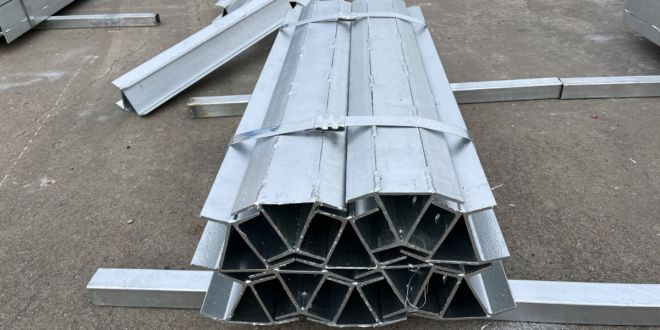
Assessing the Feasibility of DIY Fence Post Installation
Installing a security fence is a significant project that can enhance your property’s safety and value. If you're contemplating doing it yourself, there are several factors to consider. The most critical aspects include assessing your physical capability, understanding the installation process, and considering the tools and materials needed. While a DIY approach can save money, it's essential to weigh these aspects carefully.
Understanding Local Building Codes and Permits
Importance of Building Codes
Each locality has specific building codes and permit requirements when it comes to installing security fences. These regulations often govern the height, placement, and style of fences and require homeowners to comply to avoid potential legal issues. Before you begin your project, consult your city or county’s building department to ensure compliance.
Acquiring Necessary Permits
Securing the appropriate permits is crucial. This process often involves a small fee and a review of your proposed project. Failure to obtain a permit can result in fines, the need to alter your fence post-installation, or, in some cases, removal. Checking with local authorities will prevent unnecessary complications.
Choosing the Right Materials for Your Security Fence
Material Options and Considerations
The choice of material is crucial for the durability and effectiveness of a security fence. Common materials include wood, vinyl, and metal. Each of these materials has distinct advantages and disadvantages. For example, metal fences offer high durability, while wood can provide better aesthetic appeal. Your choice should consider local weather conditions and the level of security you aim to achieve.
Manufacturer and Supplier Considerations
When choosing materials, it’s essential to consider the reliability of the manufacturer or supplier. Selecting a reputable supplier ensures that you receive quality materials that will withstand the test of time. Research potential manufacturers, read reviews, and possibly consult with local contractors for recommendations.
Planning and Designing Your Security Fence
Design Considerations
Designing your security fence involves more than just selecting materials. You must also consider factors such as the fence’s height, style, and placement. A well-designed fence enhances your property’s aesthetics and can increase its value. Additionally, the design should align with any local codes and your home's architectural style.
Layout Planning
Accurate planning is key to successful fence installation. Begin by mapping out your property and determining the exact boundary lines. Use string lines to create a visual guide of your future fence’s layout. This step ensures you do not inadvertently encroach on neighboring properties.
Tools and Equipment Needed for Installation
Essential Tools
Before commencing your project, gather all necessary tools and equipment. Essential tools include a post hole digger, level, hammer, saw, measuring tape, and a drill. Renting specialized tools such as an auger may be beneficial for digging post holes efficiently.
Safety Equipment
Safety should always be a priority. Equip yourself with gloves, safety goggles, and ear protection as necessary. This will protect you from potential injuries during the installation process.
Fence Post Installation Techniques and Tips
Proper Post Installation
The stability of your fence heavily relies on the correct installation of posts. Posts should be buried to a depth of one-third of their height, plus an additional six inches for gravel to ensure secure footing. Use concrete to set the posts in place, particularly if the soil conditions are not ideal.
Handling Different Soil Types
Different soil types require distinct installation techniques. For sandy soils, deeper post holes and extra concrete may be necessary for stability. In rocky areas, a well-secured anchoring system is crucial.
Step-by-Step Guide to Installing Fence Posts
Preparation
Begin by marking your fence line using stakes and string. Measure and mark the location for each post, ensuring spacing is consistent and aligns with your design plan.
Digging Holes and Setting Posts
Dig each post hole using a post hole digger or auger, ensuring adequate depth based on the height of your fence. Insert the post, add gravel for drainage, and pour concrete to secure it. Use a level to ensure each post is upright before the concrete sets.
Finishing Touches
Once the concrete has cured, attach fence panels or rails to the posts. Ensure all components are securely fastened and perform a final check for level alignment.
Challenges and Solutions in DIY Fence Post Installation
Common Challenges
Common challenges include dealing with uneven terrain, varying soil conditions, and maintaining a consistent fence line. These issues can affect the overall stability and appearance of your fence.
Solutions and Tips
Address uneven terrain by installing the fence in a step pattern or contouring it to the landscape. For challenging soil, consider alternative anchoring methods or consult with a professional for specific solutions.
Maintaining Your Installed Fence for Longevity
Routine Maintenance
Regular maintenance is essential for a long-lasting fence. Inspect your fence periodically for signs of damage or wear, such as rust on metal fences or rot in wooden posts. Prompt repairs can prevent more significant issues down the line.
Preventative Measures
Applying a protective sealant on wooden fences can help prevent moisture damage. Similarly, regular cleaning and repainting of metal fences can prevent rust and enhance longevity.
When to Consider Hiring a Professional for Fence Installation
Complex Installations
If your project involves challenging terrain, significant elevation changes, or intricate designs, hiring a professional may be the best course of action. Professionals have the expertise and resources to handle complex installations efficiently.
Time and Skill Considerations
Consider your skill level and available time before opting for a DIY installation. If the project seems overwhelming, or if you lack the necessary skills, seeking professional assistance ensures a high-quality installation and can save time and potential frustration.
Qingdao Xinhuiying Steel Provide Solutions
Qingdao Xinhuiying Steel specializes in providing high-quality security fence solutions tailored to meet your specific needs. Whether you require expert installation services or top-tier materials supplied by a reliable manufacturer, Qingdao Xinhuiying Steel ensures that your security fence is both effective and aesthetically pleasing. Boasting a rich history of excellence and commitment to customer satisfaction, our factory employs cutting-edge technologies and innovative designs to deliver superior fencing solutions. Trust Qingdao Xinhuiying Steel for your next fencing project, and experience unparalleled service and quality.
User hot search: security fence posts