
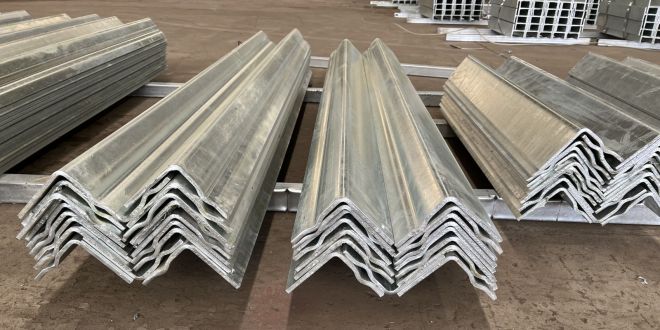
Types of flat metal mounting plates
Flat metal mounting plates are used in various applications, ranging from industrial installations to interior design. The most common types are made from stainless steel, galvanized steel, mild steel, aluminum, and brass. Each material has distinct properties that influence both its functionality and paintability.
Stainless Steel
Stainless steel is known for its resistance to corrosion and its robust nature, making it ideal for harsh environments. It is, however, less permeable to paint unless adequately prepared.
Galvanized Steel
Galvanized steel is coated with a layer of zinc to prevent rusting. This coating can make it challenging for paint to adhere properly unless the surface is treated beforehand.
Aluminum
Aluminum is lightweight and has excellent resistance to corrosion. However, its non-porous nature requires special primers to ensure the paint adheres well.
Preparations Before Painting Metal Plates
Proper preparation is critical to ensure that paint adheres correctly to metal surfaces. The process typically involves cleaning, sanding, and priming.
Cleaning
Start with thorough cleaning using a degreaser to remove any oils or contaminants that could affect paint adhesion. Ensure the surface is completely dry before proceeding.
Sanding
Sanding the metal surface is essential to create a rough texture that allows the paint to grip better. Use fine-grit sandpaper for best results.
Choosing the Right Paint for Metal Plates
Not all paints are suitable for metal surfaces. It's essential to select paints specifically formulated for metal to ensure durability and aesthetic appeal.
Enamel Paints
Enamel paints are popular for metal surfaces due to their hard finish and resistance to wear. They are available in various finishes, from matte to glossy.
Epoxy Paints
Epoxy paints offer excellent adhesion and are highly durable, making them suitable for industrial applications with high wear requirements.
Techniques for Painting Metal Surfaces
There are several techniques for painting metal surfaces, each with its advantages. The choice of method can significantly influence the final outcome.
Brush Painting
Brush painting allows for detailed work and is ideal for smaller surfaces. It requires careful application to avoid brush marks.
Spray Painting Methods
Spray painting provides a smooth, even coat and is preferred for larger surfaces. It requires a well-ventilated space and proper protective equipment.
Primer: The Foundation for Metal Painting
Primers are crucial in metal painting processes. They enhance paint adhesion and provide a base that ensures the longevity of the paint job.
Rust-Inhibiting Primers
Rust-inhibiting primers are essential when working with metal, providing protection against moisture and corrosion.
Adhesion Primers
Adhesion primers are specifically designed to bond strongly to metal, creating an ideal surface for painting.
Common Challenges in Painting Metal
Painting metal plates can present specific challenges that need to be managed effectively to achieve a successful finish.
Paint Drips
To avoid drips, apply thin, even coats, allowing each layer to dry thoroughly before applying the next.
Adhesion Issues
If paint fails to adhere, review the preparation process, ensuring surfaces were correctly sanded and primed.
Maintenance of Painted Metal Plates
Proper maintenance of painted metal plates extends their aesthetic appeal and functional life.
Regular Cleaning
Use non-abrasive cleaners to maintain the surface, preventing the buildup of dirt that can damage the paint over time.
Repair and Touch-Up
Ppromptly address chips and scratches to prevent further damage and corrosion.
Durability of Paint on Different Metals
Paint durability can vary significantly depending on the type of metal and environmental conditions.
Stainless Steel
Stainless steel's resistance to corrosion means the paint is primarily for aesthetic purposes and requires periodic touch-ups.
Aluminum
The paint on aluminum can last several years but requires UV-resistant coatings to prevent fading.
Impact of Painted Metal Plates in Design
Painted metal plates serve as both functional components and critical elements of design. They can enhance the visual appeal of spaces.
Architectural Applications
In architecture, painted metal plates are used as decorative elements, offering a modern look with their sleek finishes.
Interior Design
In interiors, these plates can be color-coordinated with other elements, providing a cohesive design theme.
Sustainability and Environmental Considerations
The painting of metal plates has implications for sustainability, impacting both the environment and material sourcing.
Eco-Friendly Paints
Using low-VOC or water-based paints reduces environmental impact, making the painting process more sustainable.
Recyclability
Metal plates are highly recyclable, and choosing sustainable painting practices enhances their environmentally friendly nature.
Qingdao Xinhuiying Steel Provide Solutions
Qingdao Xinhuiying Steel is a reliable manufacturer and supplier in China, offering high-quality solutions for your metal plate needs. Our expertise encompasses a wide range of products suitable for various applications, ensuring optimal performance and longevity. We provide guidance and support throughout the selection and application process, helping you achieve the best results with your painted metal plates. Contact us for customized solutions tailored to your project requirements.
